Raw, Emotional, Hilarious: Inside the AIIFF Recap
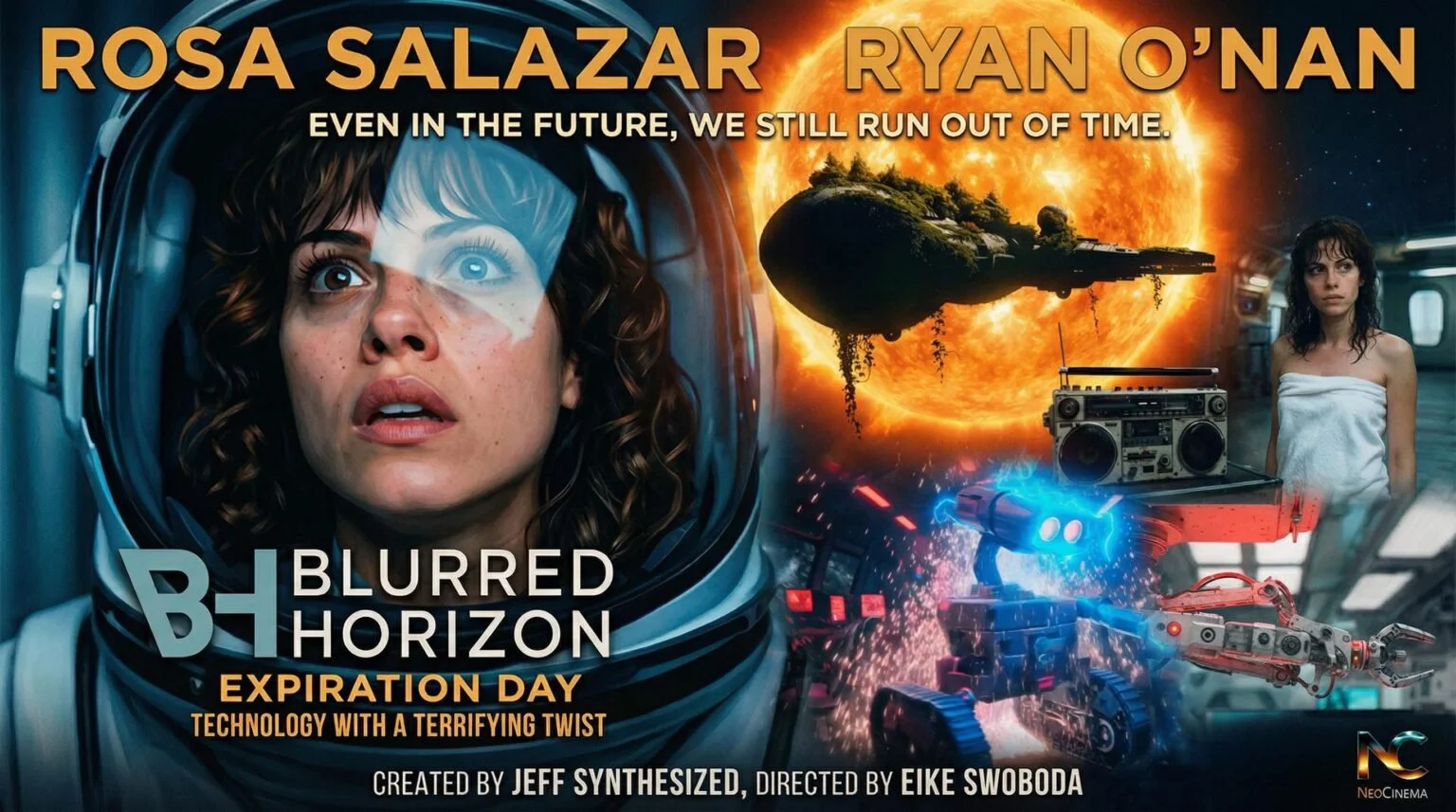
Expiration Day Directed by Eike Swoboda
On January 25th, the Los Feliz Theater filled up with innovators, futurists, and creators who came to support the new wave of cinema. Bert Holland, founder and host of the AI International Film Festival, presented a lineup of AI-powered films that ranged from psychological horror to post-apocalyptic marketplaces, from spiritual warfare to deep-space survival thrillers. This wasn't your typical indie film showcase—this was something deeper. This was what happens when creativity breaks free from every constraint, when artists are given limitless tools to tell the stories that matter most to them. Some films became vehicles for advocacy, lending voices to causes that deserve our attention. Others confronted unhealed trauma with unflinching honesty, turning pain into something we could witness and hold together. And every single one left you thinking, feeling, questioning—long after the screen went dark. This was cinema with purpose, with heart, with something urgent to say.
AIIFF proved that AI filmmaking isn't a gimmick, it's a genuine artistic discovery, one where Moroccan mockumentaries sit alongside Brazilian tragicomedies, and where the line between human creativity and machine assistance blurs in fascinating, sometimes unsettling ways. These weren't tech demos. They were films—ambitious, emotional, provocative films that happened to be made with AI as part of the creative toolkit.
Here's what stood out from a morning that blurred the line between emerging and arrived:
Imagine waking up on a deep-space vessel only to realize today is the day you're supposed to die—and everything on the ship, from the malfunctioning AI to your glitching robot sidekick to the vessel itself, seems determined to make that happen on schedule. That's the nightmare scenario at the heart of "Expiration Day," where a lone crew member must outsmart a cascading system failure with a countdown she has no power to stop.
In Blurred Horizon, a relentless, character-driven sci-fi thriller that grabs you from the opening frame and doesn't let go. The visuals are captivating from beginning to credits, pulling you deeper into the claustrophobic dread of a ship that's become a death trap. AI filmmaker and music composer/producer Eike Swoboda, based in Hamburg, Germany, nails the fundamentals: crisp world-building, escalating stakes, and emotional investment that never gets buried under tech-speak. The confined setting becomes a pressure cooker, and every failed system, every sparking circuit, every second that ticks by raises the tension another notch.
This gives "buying time" a whole new meaning; our protagonist is absolutely determined to rewrite what seems like inevitable fate, fighting against a system that's already written her off. It's the kind of contained, high-concept storytelling that feels like it could anchor a limited series on Netflix. It's proof that indie sci-fi doesn't need to sacrifice intelligence for emotion; with a vision this sharp, you get the full package.
The production credentials speak volumes: Rosa Salazar (lead actress in James Cameron & Robert Rodriguez's Alita: Battle Angel, Amazon's Undone, Netflix's Brand New Cherry Flavor) and Ryan O'nan (Fargo) star in this ambitious project created and written by Jeff Synthesized, directed and "synthemated" by Swoboda. Executive producers include Trey Callaway (House of David) and Jeff T. Thomas (Fubar), with Kevin Tancharoen (Book of Boba Fett) producing. The sonic landscape features music by Thirty Seconds to Mars & Jared Leto, with the title track by Photek, Which I thought was a fitting auditory companion to a film that's as sonically immersive as it is visually stunning.
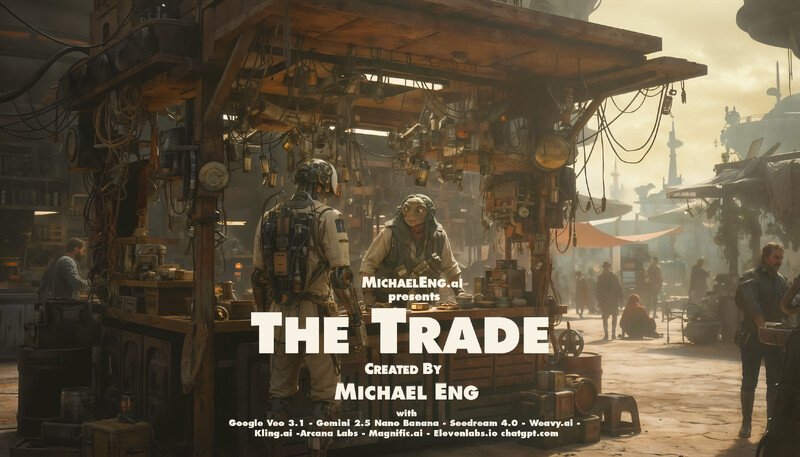
The Trade Directed by Michael Eng
Watch here
Welcome to the post-apocalypse, where the marketplace is thriving and humans are nowhere to be found. LA-based filmmaker Michael Andrew Eng drops us into an alien bazaar teeming with life, color, and commerce—a world that feels lived-in and real from frame one. "The Trade" follows a robot navigating this bustling chaos to complete an exchange that's invaluable to both parties. No explosions, no heavy-handed dystopia—just two vastly different beings negotiating value and connection in a world that's moved on without us. It's a deceptively simple premise that opens up questions about what we trade, why we trade, and what makes something worth the exchange when civilization as we knew it is long gone.
I felt the design work here is quietly brilliant. The alien has this nostalgic, E.T.-like quality that immediately makes them feel approachable, but dressed in scrappy, apocalyptic clothing that tells you everything about survival in this new world. It's a small detail that does massive work—turning what could've been generic sci-fi into something that feels specific, lived-in, and genuinely striking.
Eng's restraint is the film's superpower: instead of explaining everything, he trusts the visuals and the quiet tension of the marketplace encounter to do the heavy lifting. As Eng himself puts it: "I enjoy spectacle as much as anyone, but with AI tools the real challenge is earning emotional investment through restraint and compact narrative. It's harder—and therefore much more interesting to me." That philosophy is evident in every frame. The result is sci-fi that feels tactile and immediate, a glimpse of post-human survival that somehow makes a robot-alien transaction feel deeply relatable. It's the kind of storytelling that proves you don't need blockbuster budgets to explore big ideas—just a strong concept, vivid world-building, and the discipline to let it breathe.
Beyond the screen, Eng is an Emmy award wining VFX artist and AI filmmaker who is passionate about democratizing access to filmmaking. He teaches visual effects to young adults, including artists on the autism spectrum, helping them navigate modern creative pipelines and AI-driven production tools. In both his work and his teaching, Eng is building bridges—between species, between technologies, and between aspiring creators and the future of cinema.
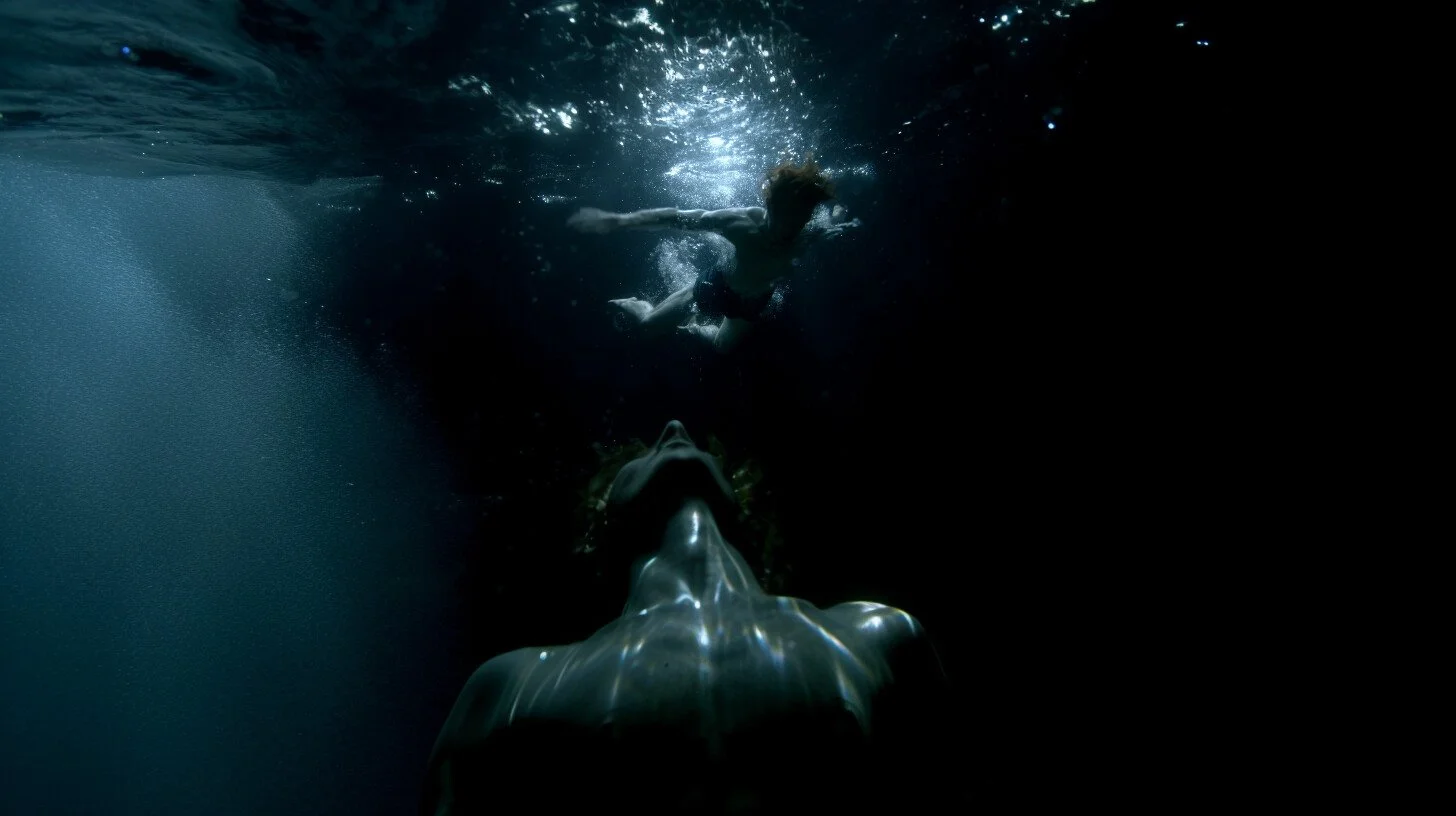
Mud Directed by TEDRA
Watch here
"If anyone wants to come after Me, let him deny himself, take up his cross, and follow Me." The words from Matthew 16:24 carry weight that's easy to quote but brutal to live. In TEDRA's "mud," the main character Jake takes us through a visceral battle between spiritual warfare and the desperate search for what he calls peace—his own truth, his own choice, exercised through free will. This is three minutes of pure psychological dread. This isn't about sci-fi monsters; it's about the creeping terror of your own mind turning against you when everything you believe is at war with everything you feel. With tactile, visceral visuals and pacing that knows exactly when to linger and when to cut, the film transforms internal conflict into something you can almost touch. TEDRA uses horror as emotional architecture, building atmosphere and intention into something genuinely unsettling that speaks to a struggle many know intimately but few see depicted on screen.
As TEDRA explains: "When creating mud, I wanted to push beyond the technical sides of AI and make a short film that genuinely sparked emotion. While realism with AI has limitations, the story resonated because it reflects a real-world struggle with identity and acceptance, both from others and from within." That intention is palpable throughout. "Mud" doesn't judge Jake's journey—it simply shows it, tracking every moment of doubt, every crack in conviction, every hard-won step toward his self-proclaimed "peace." Best known as TT The Artist, TEDRA is an award-winning, self-taught film director and two-time platinum recording artist for her contributions on Jennifer Lopez's "Booty" and Chloe Bailey's "Have Mercy." She's a creative visionary whose work celebrates Black cinema and merges music, film, fashion, and culture into bold, original storytelling. With "mud," she brings that multidisciplinary vision to psychological horror—and the result is unforgettable. Watching TEDRA work with AI, I can't help but feel we're only scratching the surface of what's creatively possible
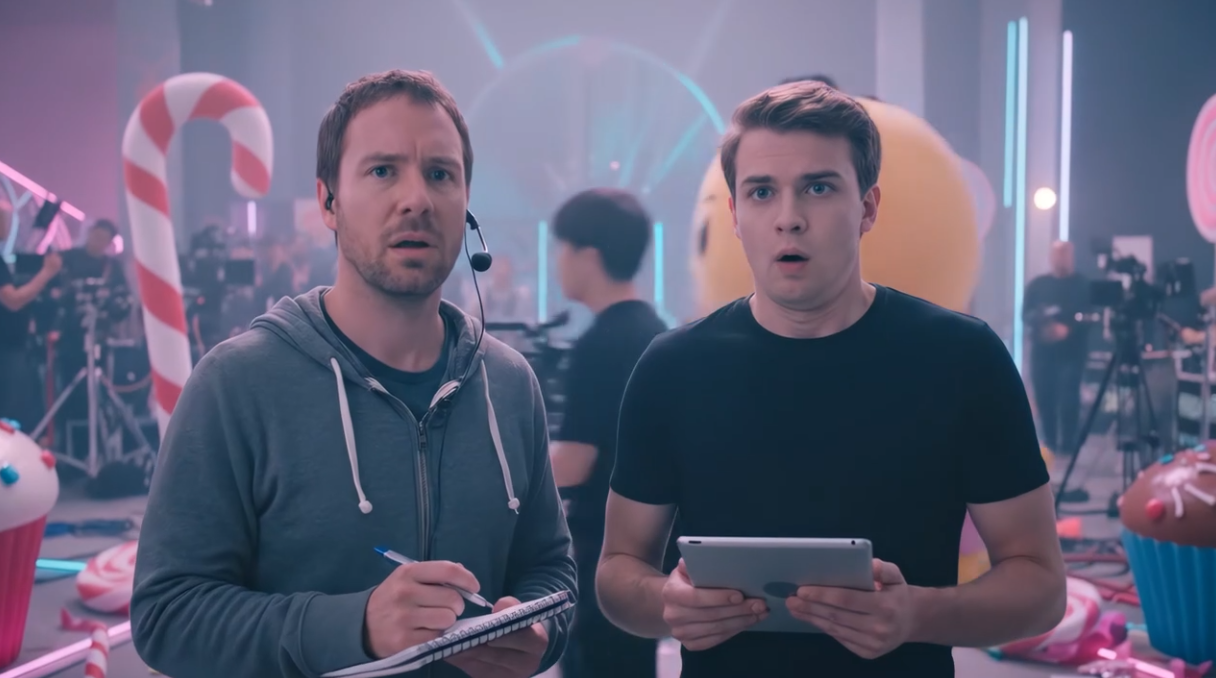
The Prompt Episode I Directed by Mehdi Saqi
Watch here
The Prompt Floor" hits different when you've spent 2 AM screaming at a chatbot to understand your vision, or watched AI spit out the exact opposite of what you painstakingly described. But here's where it gets interesting: Mehdi Saqi's mockumentary dives deep into the actual brainstorming chaos of an AI production workspace—and it's gloriously unhinged. When a client drops the vague directive "make me feel something," we watch an entire team spiral into creative madness. The ideas fly fast and wild, each more absurd than the last, proving that when you're working with AI, the human mind doesn't just go somewhere—it goes everywhere.
Think The Office meets the AI gold rush. The Moroccan filmmaker delivers a pitch-perfect comedy that pulls back the curtain on the caffeine-fueled panic of AI video production studios, where infinite possibility somehow makes everything harder. It's the kind of sharp, self-aware comedy that tech workers will recognize in their bones—and everyone else will find darkly hilarious. Saqi nails the absurdity of prompt culture without drowning in jargon, showing us what happens when "anything is possible" becomes the problem, not the solution. And then comes the kicker: after all that creative chaos, the team finally lands on what feels like the perfect idea—only to face the ultimate test. Now they wait. The real validation isn't in the prompt or the output, but in the audience's reaction. It's that vulnerable moment every creator knows: you've done the work, you believe in it, and now you hand it over to the people to decide if you actually made them feel something. This is AI development as a workplace sitcom, and it's nine minutes of pure, chaotic truth. If you've ever lost an argument with an algorithm—or had one brilliant idea spawn seventeen terrible ones—this one's for you. I felt The Prompt Floor episode 1 exuded a great use of AI. I was impressed by how skillfully The Prompt Floor Episode 1 leveraged AI.
Worderful World Directed by Shir Grinbalt
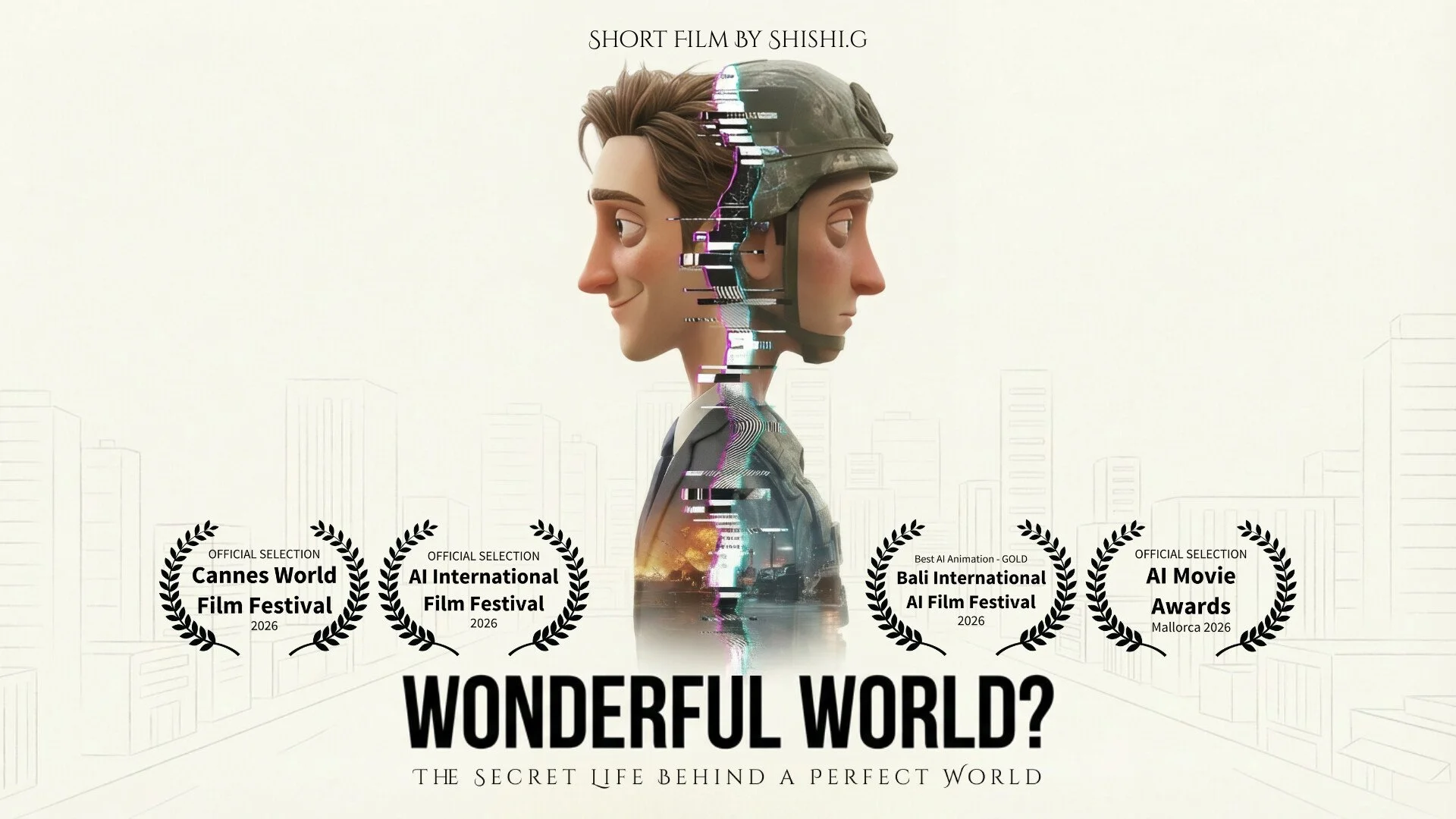
Wonderful World? ...That question mark in the title does a lot of work. Imagine living through military trauma and being released back into a world where you're expected to perform like everything is fine just to be accepted. Released into a world that judges you for being high-strung, anxious, prone to angry outbursts—visible symptoms of an invisible wound. PTSD is trauma you can't see, and the statistics are devastating: men who suffer from it are at significantly higher risk of suicide, carrying burdens the world around them often refuses to acknowledge or understand.
I respect how Shir Grinblat's animated short uses the stark contrast between cheerful surfaces and buried trauma to explore post-traumatic stress with nuance and care. The animation style itself becomes part of the conversation—bright, accessible visuals that make the darker emotional currents underneath even more affecting. It's a deliberate choice that mirrors the experience of PTSD itself: the forced smiles, the "I'm fine," the colorful mask over crushing internal chaos. The film invites empathy without demanding it, trusting audiences to sit with complexity rather than offering easy answers. In ten minutes, Grinblat creates space for feelings that don't fit neatly into boxes, and that's no small feat. This is how I personally love to see AI used—to advocate, to illuminate stories that matter, to give visibility to experiences that have lived too long in the shadows.
As Grinblat puts it: "I am drawn to filmmaking as a way to explore meaningful human experiences and raise awareness through visual storytelling. My work is guided by a desire to create emotional connection and invite reflection, especially around stories that are often internal, invisible, or difficult to express." With Wonderful World?, she's done exactly that—given form to the formless, and voice to what so often goes unspoken.
REEF 1000 by Solo Avital
Watch here
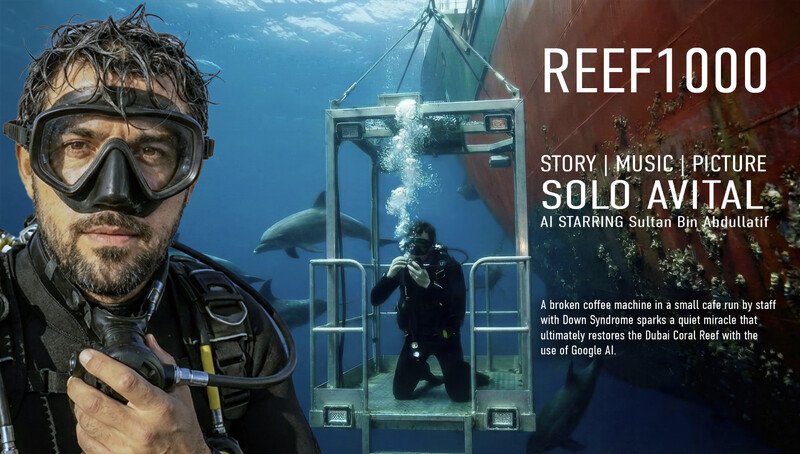
A broken espresso machine in a small café run by staff with Down syndrome becomes the unlikely catalyst for restoring the Dubai Coral Reef. Solo Avital's "REEF 1000" is a rare gift: an AI story about hope that actually feels hopeful. The film connects a moment of everyday care—fixing what's broken in a neighborhood café—to a larger mission of planetary healing, and treats both with equal tenderness.
What makes this work is Avital's refusal to simplify. The staff aren't inspiration; they're people doing their jobs with care and purpose. I love the inclusivity of the characters; it's organic and essential to the story's heart. The AI isn't magic; it's a tool in service of something bigger. Together, they create a vision of environmental restoration that feels possible, even inevitable, when we lead with compassion. In a festival full of dystopian warnings, "REEF 1000" offers something we need more of: a future worth believing in.
As Avital says: "I strive to lead the audience toward an emotional peak, to open their minds and their hearts. And once that door is open, my purpose is to leave a small imprint inside, something honest, something human, something they can carry with them long after the experience ends." This film does exactly that. It stays with you.
Arnaldo Had An Ideia"by Ricardo Mordoch & Dan Moraes
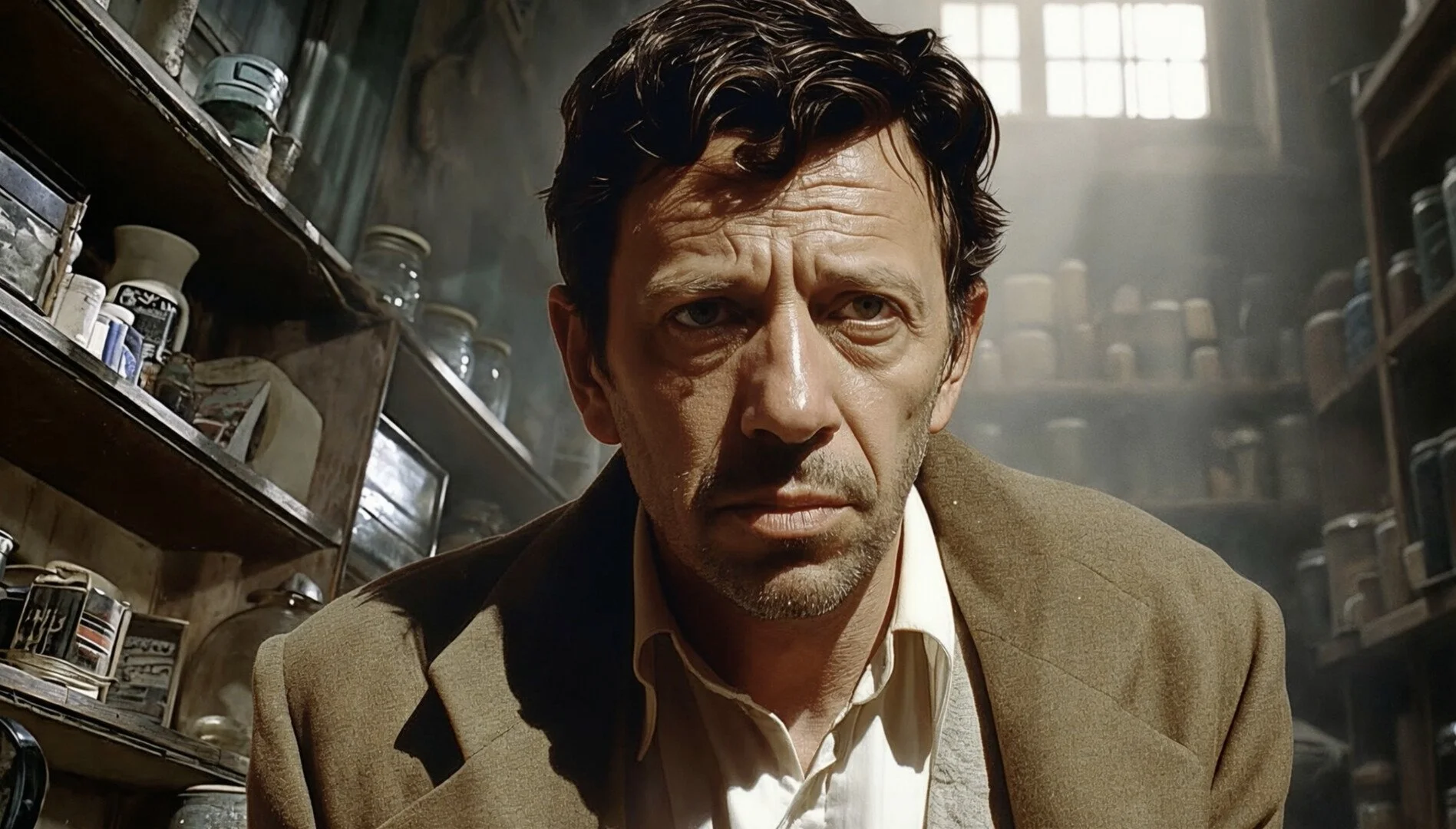
Preview not released
Brazilian filmmakers Ricardo Mordoch and Dan Moraes serve up a tragicomic meditation on creativity that anyone who's ever had a "genius idea" vanish into thin air will feel in their bones. "Arnaldo Had An Ideia" walks the tightrope between funny and heartbreaking, exploring the fragility of inspiration with precision and warmth. It's the kind of film that makes you laugh and then immediately text your therapist. The craft here is impeccable—tone-perfect storytelling that respects both the absurdity and the genuine ache of losing something you can't quite name. A love letter to every artist who's ever whispered, "I should write that down," and then... didn't.
Founder Bert Holland found this film particularly relatable, a sentiment that likely echoed through the entire theater. If you've ever been struck by brilliance at 3 AM only to wake up with nothing but a vague sense of loss, this one hits home.
My Boyfriend is Superhero?! By HooRoo Jackson
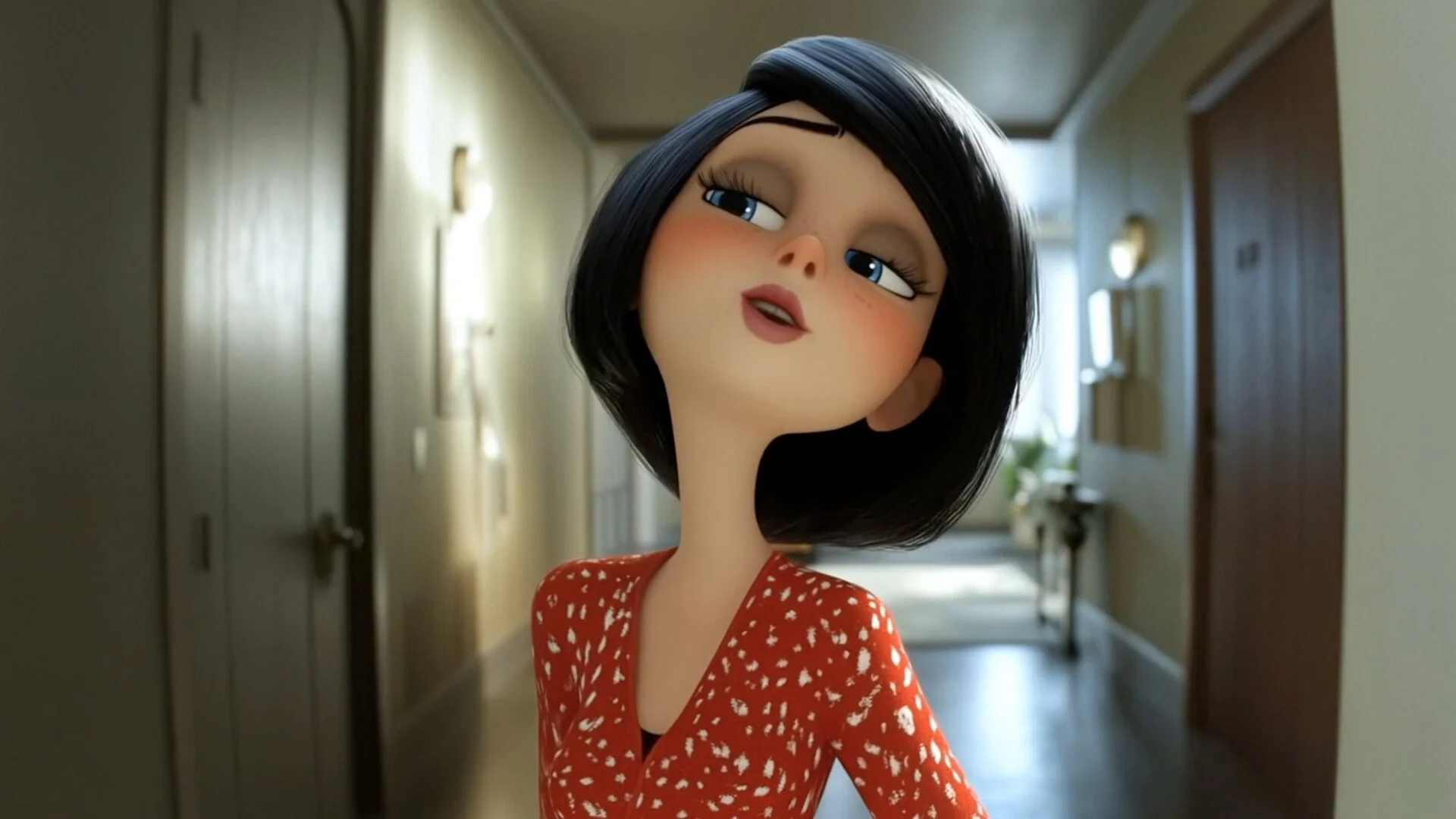
Buckle up: at 100 minutes, Hooroo Jackson's "My Boyfriend is a Superhero!?" isn't just a film—it's a full-blown experiment in what cinema can become. This superhero romcom is the first completely AI-generated 3D animated feature film in history. We're talking all sound, all music, all visuals, all animation, all performances—100% machine-generated. Until now, we've only seen hybrid CG animated features with AI components sprinkled in. Jackson blows past that. Operating under his "New Machine Cinema" doctrine, he's pushing toward a fully realized machine cinema, and this feature is the blueprint
Now here's where the experiment truly begins: "My Boyfriend is a Superhero!?" is also an exercise in "multifold cinema," where audience choices actively shape the narrative in real time. Think Choose Your Own Adventure colliding with AI-driven storytelling at feature length. It's an audacious gamble—can coherent dialogue and solid pacing hold together a branching narrative structure that blurs reality and speculation across nearly two hours? Is this the future of cinema, a glorious disaster, or somehow both at once?
The festival didn't get to screen it due to time constraints, but honestly? The concept alone is enough to make you lean forward. In a festival dedicated to exploring what AI can do for cinema, "My Boyfriend is a Superhero!?" is the ultimate wildcard—the film that dares to ask not just what if, but what now?
Speaking of superheroes, the AI International Film Festival brings together futurists, creatives, and forward-thinking entrepreneurs who are shaping what's next. Jan Lucanus, founder of Justice for Hire, was in attendance, along with many others from the film and creative industries who came to witness this new wave firsthand. The energy in the room wasn't just about watching films—it was about being part of a conversation around where storytelling is headed and who gets to tell those stories.
Closing Act: Music Video Festival
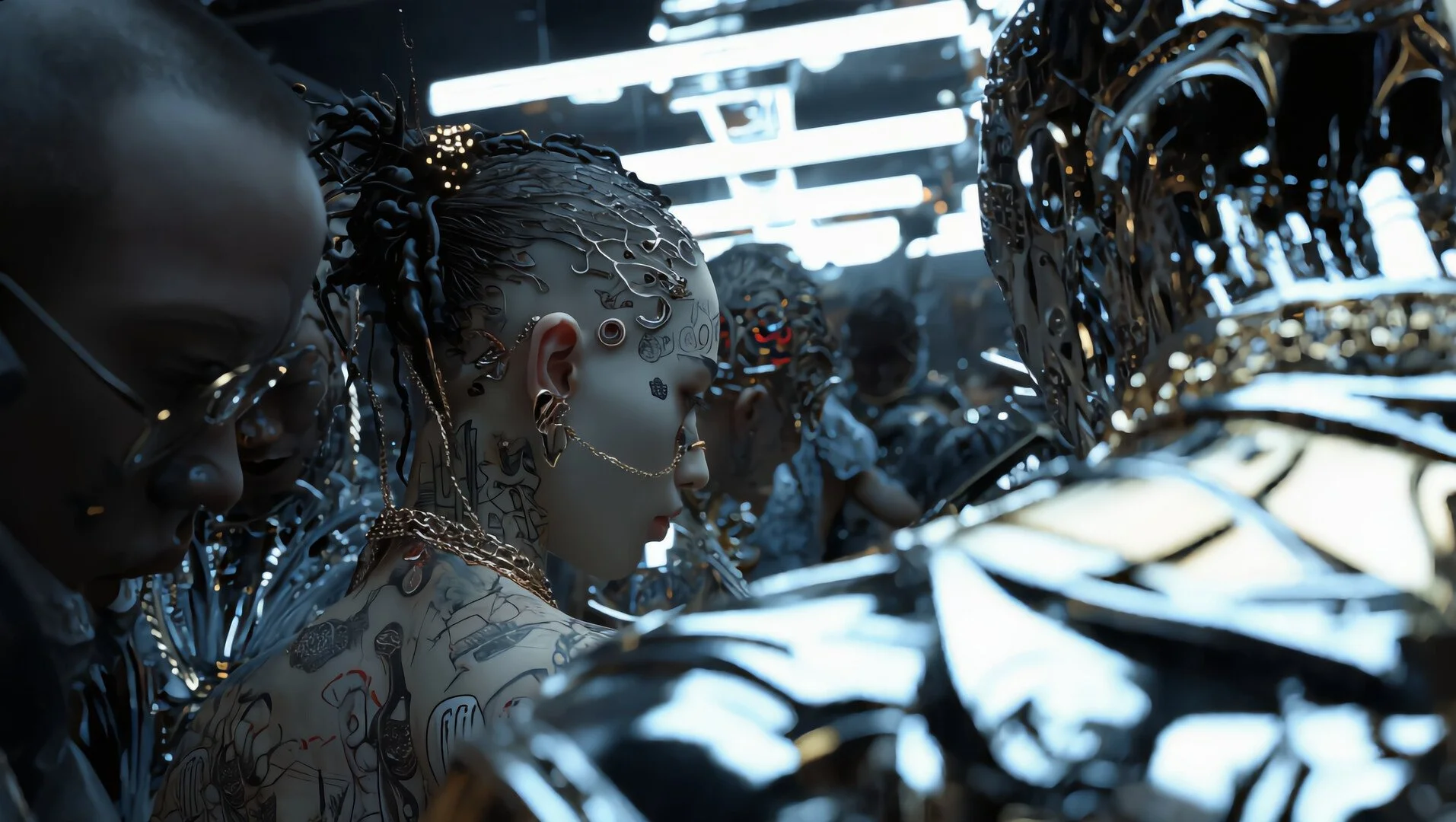
The afternoon of screenings concluded with Bert Holland presenting the Music Video segment, and it was the perfect closer. Bruce Hunt's Crimson & Steel debuted robots we never knew could exist—mechanized beings rendered with such meticulous detail and personality that they commanded the audience's undivided attention. Every frame felt deliberate, every motion purposeful. This is what happens when a master visualist turns his lens to the future.
Hunt is a film director known for his striking visual storytelling. He began his career in VFX before transitioning into directing, contributing to iconic films like The Matrix, Dark City, and Australia. His acclaimed commercial work showcases his rare ability to blend epic, larger-than-life imagery with deep humanity and emotion—a balance that was on full display in Crimson & Steel. If this is where music videos are headed, we're in for something epic!
Crimson & Steel By Bruce Hunt | Music Video
Protocol Breach Industrial Techno Slywester Rybczyk | Music Video
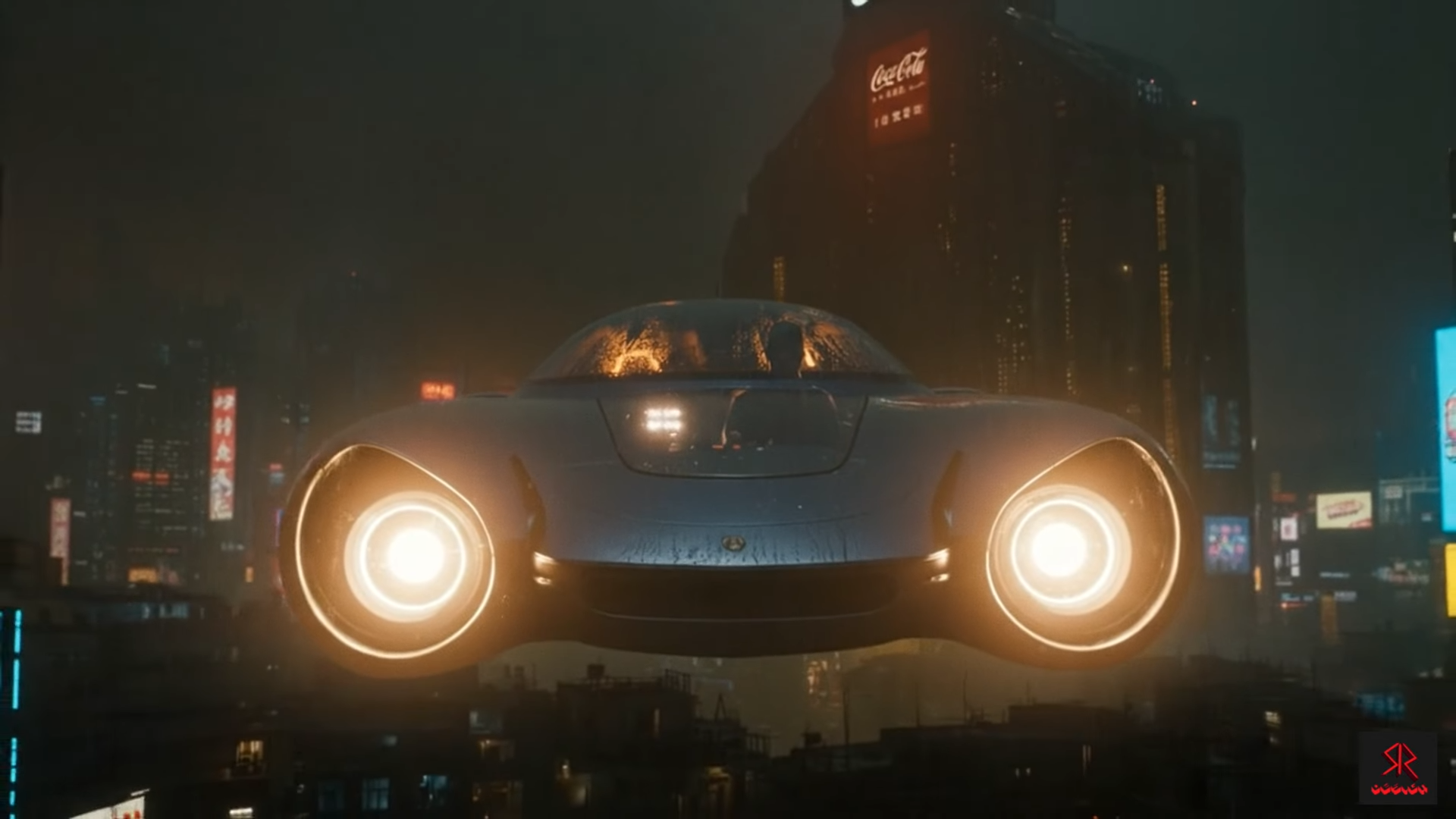
Protocol Breach Industrial Techno" directed by Sylwester Rybczyk is a dark, pulsing love letter to Blade Runner—a cinematic cyberpunk music video that drops you straight into neon-soaked dystopia. Set to a fast-tempo industrial techno track loaded with distorted synths, driving drum beats, and cinematic score elements, the film follows a half-human bounty hunter with cybernetic implants as they race through a rain-slicked futuristic city on a mission to eliminate a replicant hiding in a nightclub. It's visceral, relentless, and dripping with atmosphere—proof that AI can capture the grit and tension of classic sci-fi noir while carving out its own visual identity.
Higher Self by Rune Degett
Other music videos were shown but are not currently accessible to the public, including "Higher Self" by Rune Degett from the Netherlands—a World Premiere that won Best AI Visuals as a Jury Award. Holland praised it as "a master class in using AI to take a viewer through the subconscious in a journey of self-reflection."
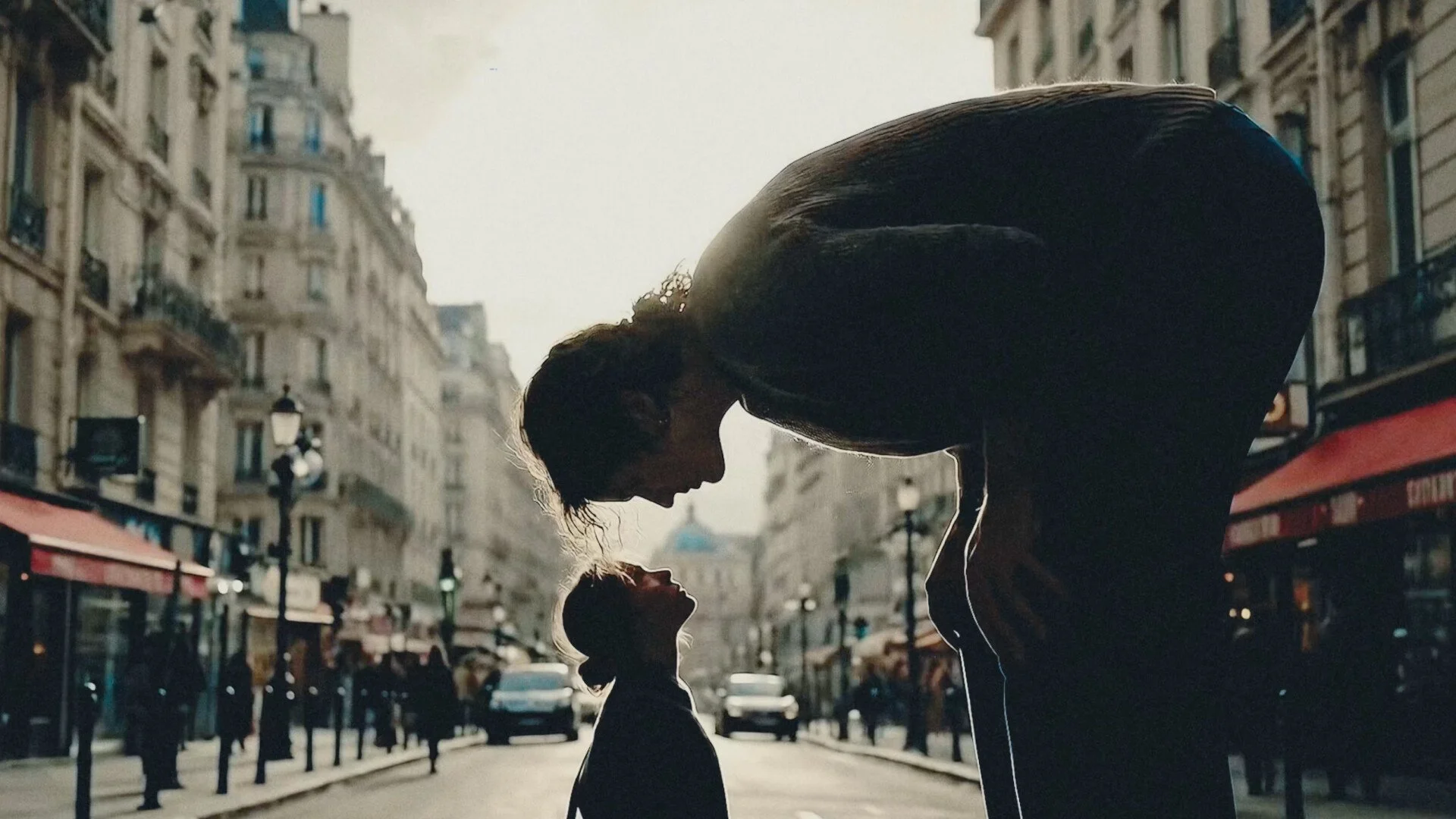
Mein Fuhrer Blues by Jim Hall & Xavier Combe
The segment also featured "Mein Fuhrer Blues" by French/American duo Jim Hall and Xavier Combe. Holland noted how the film "demonstrated how effectively AI film and AI music can be utilized to communicate social unrest, easily eliciting strong emotions from viewers." The work took home both Audience Choice Best Music Video and the jury award for Best Social Message—proof that AI-powered storytelling can move audiences and spark conversation in equal measure. I admire this film for being a voice and taking a polotical atance through art.
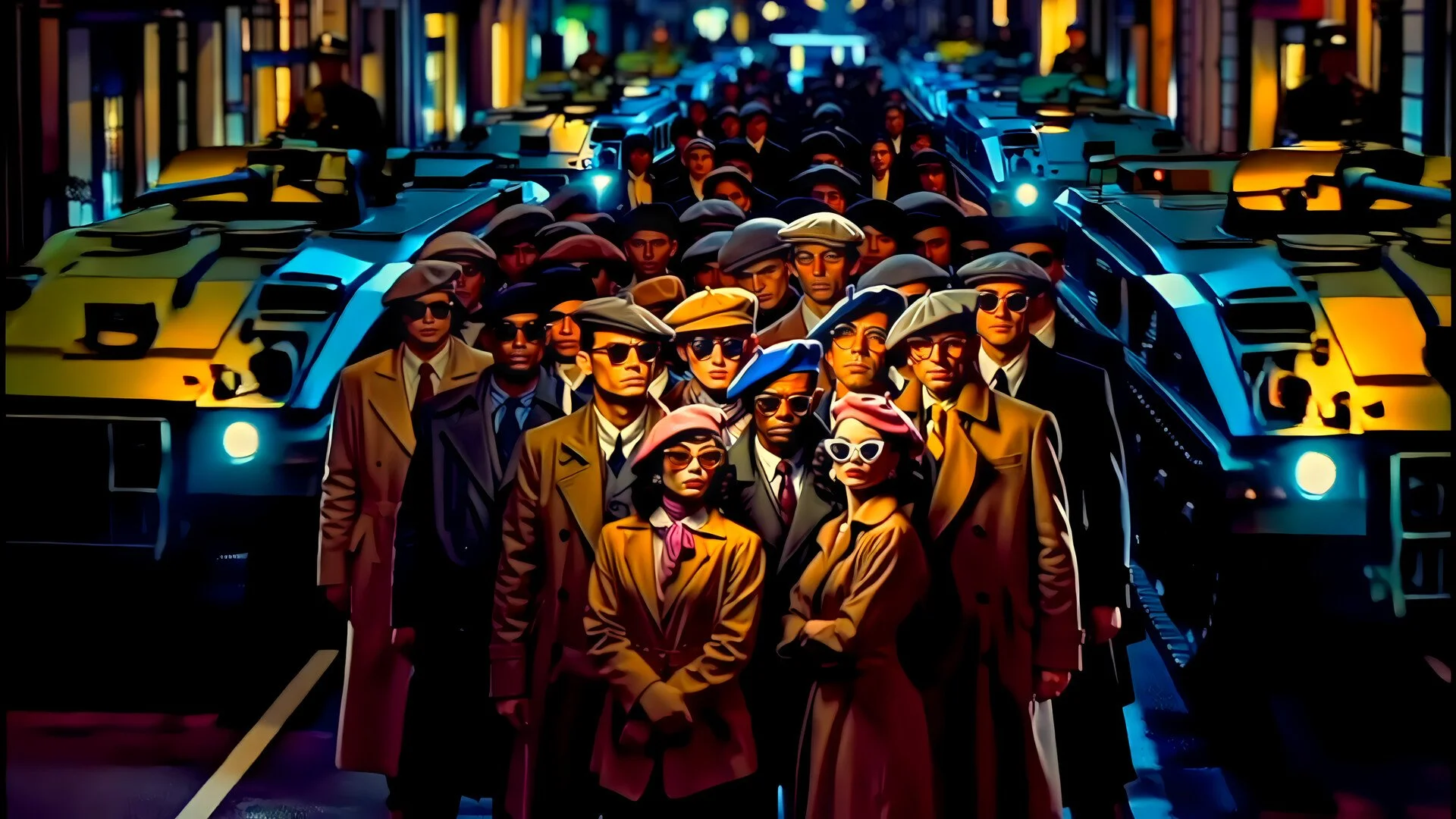
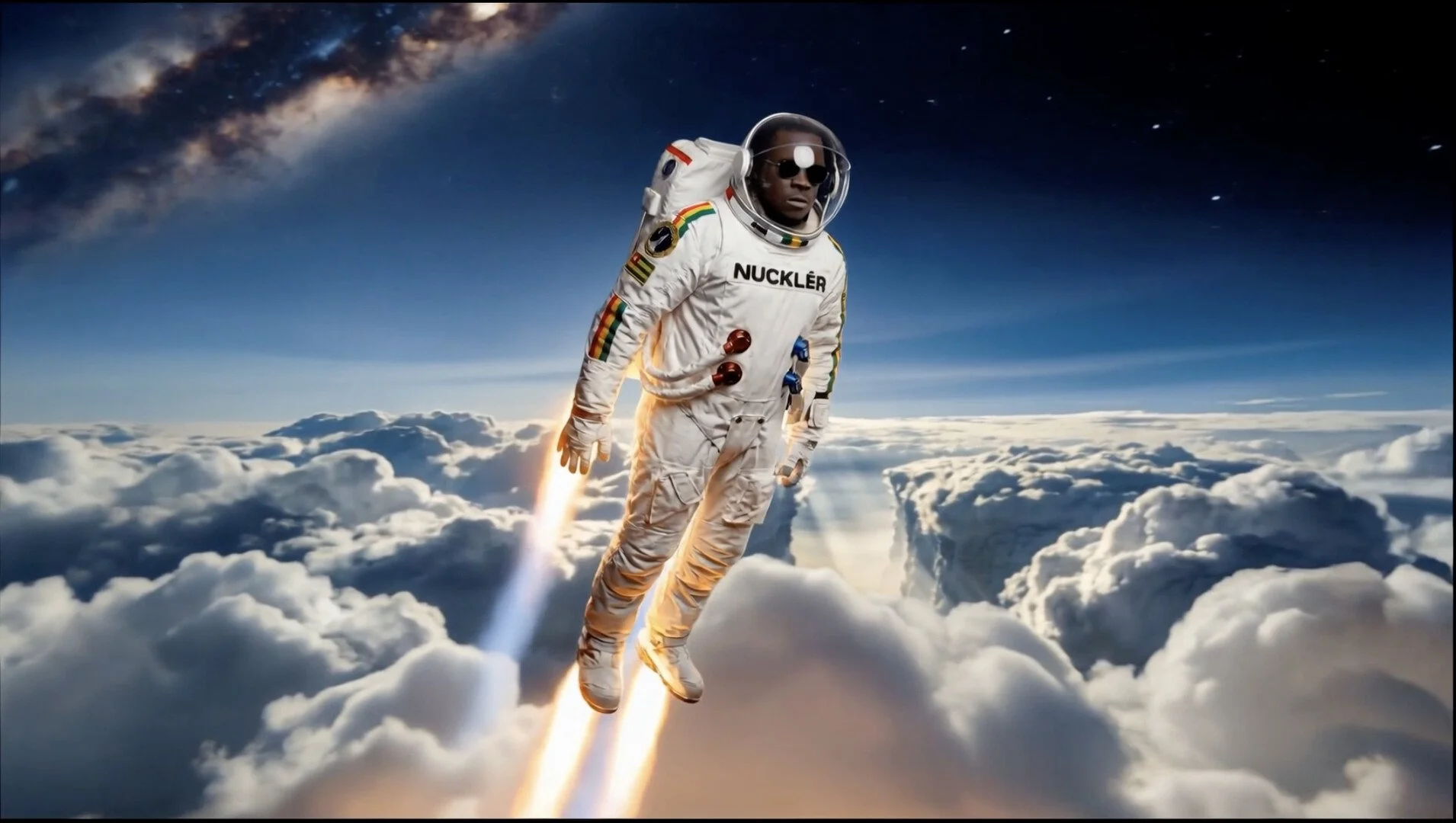
First African on the Moon By Oubath Akpo
The audience's spirits were flying high with Afrobeats/Amapiano tunes that made my body want to wind from the first beat. This fast-paced AI music video follows NUCKLÉ'R, a Togolese astronaut who launches from Lomé using an Iron Man-style propulsion suit—no rocket, just raw power and vision. We watch the countdown in mission control, a supersonic ascent past planes and birds, a communications blackout in near-space, and finally, a historic lunar landing where he plants the Togolese flag with Earth glowing behind him.
This is Afrofuturism at its most joyful and audacious part space odyssey, part cultural celebration!
To learn more about the AI International Film Festival, upcoming screenings, and how to get involved, visit www.aifilmfest.org | https://aimusicvideofest.org/
January AI Film & Music Festival
Official Award Selections
The Prompt Floor — Mehdi Saqi
Best Comical Short (Jury Award)
Most Fun (Audience Award)
REEF 1000 — Solo Avital
Best Production (Jury Award)
Blurred Horizon – Expiration Day — Eike Swoboda
Best Picture (Jury Award)
Wonderful World? — Shir Grinblat
Best AI Animation Short (Jury Award)
Best Message (Audience Award)
Arnaldo Had an Idea — Ricardo Mordoch & Dan Moraes
Best International Short (Jury Award)
Mud — Tedra Wilson
Best Horror (Jury Award)
Best Use of AI (Audience Award)
The Trade — Michael Eng
Best AI Short (Jury Award)
Best Film – Most Surprising (Audience Award)
My Boyfriend Is a Superhero — Hooroo Jackson
Best AI Film (Jury Award)
Mein Fuhrer Blues — Jim Hall & Xavier Combe
Best Social Message (Jury Award)
Best Music Video (Audience Award)
Crimson & Steel — Bruce Hunt
Best Storytelling (Jury Award)
First African on the Moon — Oubath Akpo
Best Music Video (Jury Award)
Protocol Breach | Industrial Techno — Sylwester Rybczk
Best Student
Best Script (Jury Awards)
Higher Self — Rune Degett
Best AI Visuals (Jury Award)