Unapologetically AI: Love It, Hate It, It's Already Here
October came with its own energy, and so did the AI International Film Festivals. On October 18, 2026, the festival returned to the Los Angeles Performing Arts Conservatory in Hollywood, bringing together filmmakers, tech enthusiasts and curious newcomers for an evening of storytelling in the age of AI.
Walking into the venue, I was met with a bustling crowd. Red carpet interviews were underway, refreshments were flowing, and conversations filled the room. And the audience extended well beyond Hollywood, with the festival streaming live worldwide and filmmakers joining us virtually from across the globe, thanks in part to Community Steward Roya Goorkani, who helped bring them into the conversation via Zoom.
A friend of mine came along to scope out the scene, and I couldn't help but catch her reaction when she spotted the Galactic Queen.
"Wow. Beautiful."
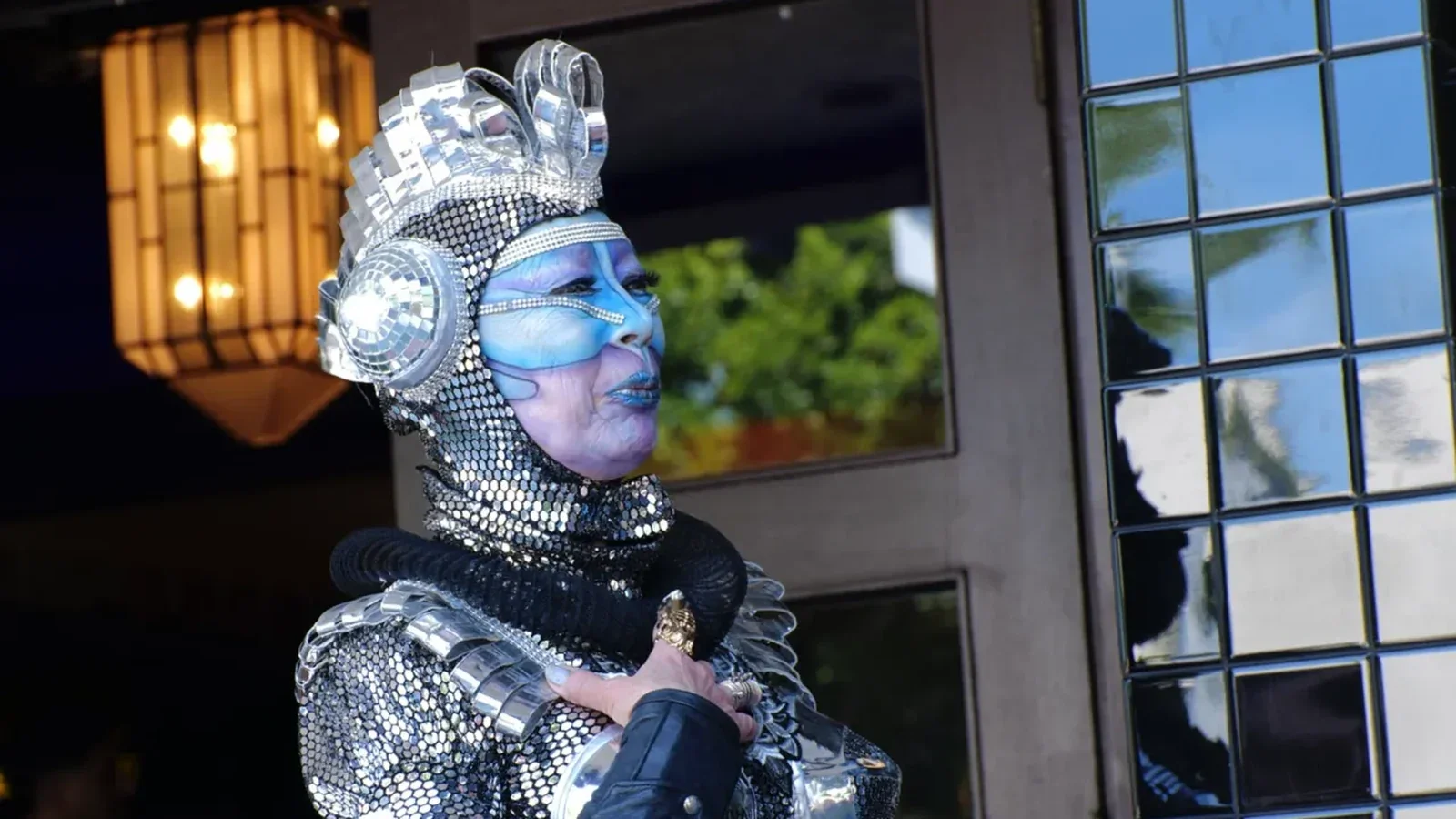
And honestly, I couldn't disagree.
We're both involved in fashion and technology, so naturally, her futuristic couture caught our attention. She was quite the sight, bringing an unexpected fashion moment to the evening alongside fellow hosts, filmmaker Michael Eng and actor Ron Maggi.
I was also welcomed by festival founder Bert Holland, whose dedication to this creative community continues to impress me. Despite dealing with an injury, he was still connecting with attendees, making sure everything was in place and keeping the evening moving.
If commitment were a person, it would be Bert.
Bert opened the evening by introducing 13 projects from seven countries, including five world premieres and five world festival premieres.
He also announced Film Superintelligence, a new global filmmaking challenge inviting creatives to imagine a future where artificial intelligence surpasses human intelligence.
The possibilities? Everything from the wonderful to the downright terrifying. And considering how quickly AI is evolving, I can only imagine what filmmakers will dream up next.
But first, there were films to watch.
AI International Film Festival
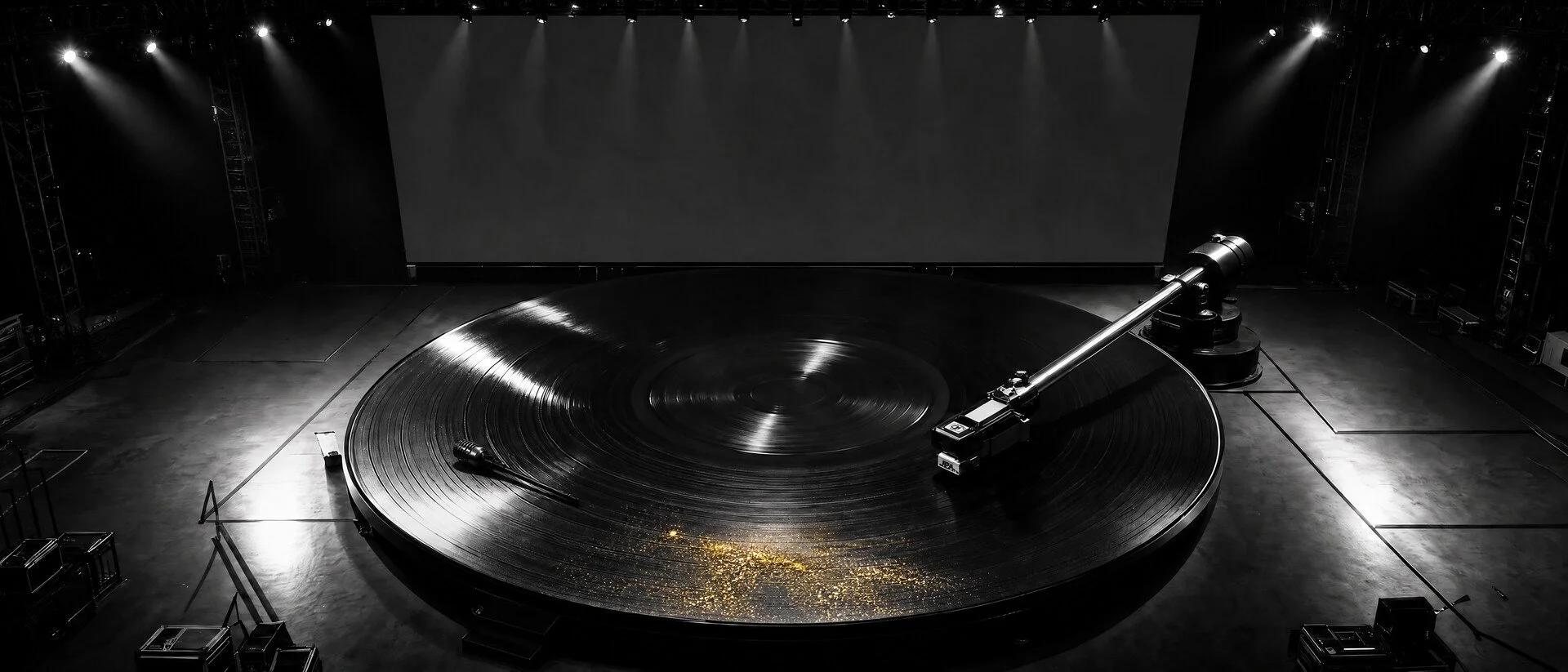
Took Home: Best Horror · Best AI Short · Audience Choice Best Film (Tie) · Audience Choice Most Surprising
Headless Singer — Yang Fan, China
The film opened with someone being beheaded on a railroad track.
Yes, you read that correctly.
Not exactly the kind of opening scene that eases you into a cozy evening at the movies, but it certainly made one thing clear: we were in for an interesting night.
And beneath all the gore, I couldn't help but think about revenge in the music industry. The kind that comes from having your work stolen, your creativity exploited or being completely burned by the very industry you hoped would embrace you.
Of course, Headless Singer takes that frustration to a whole other level.
But strip away the gruesome visuals, and there's something oddly relatable about an artist wanting to reclaim what's theirs.
The entertainment industry has no shortage of stories about betrayal and creative ownership. This just happens to be one of the more... extreme interpretations.
Took Home: Best AI Animation · Best Human Futures
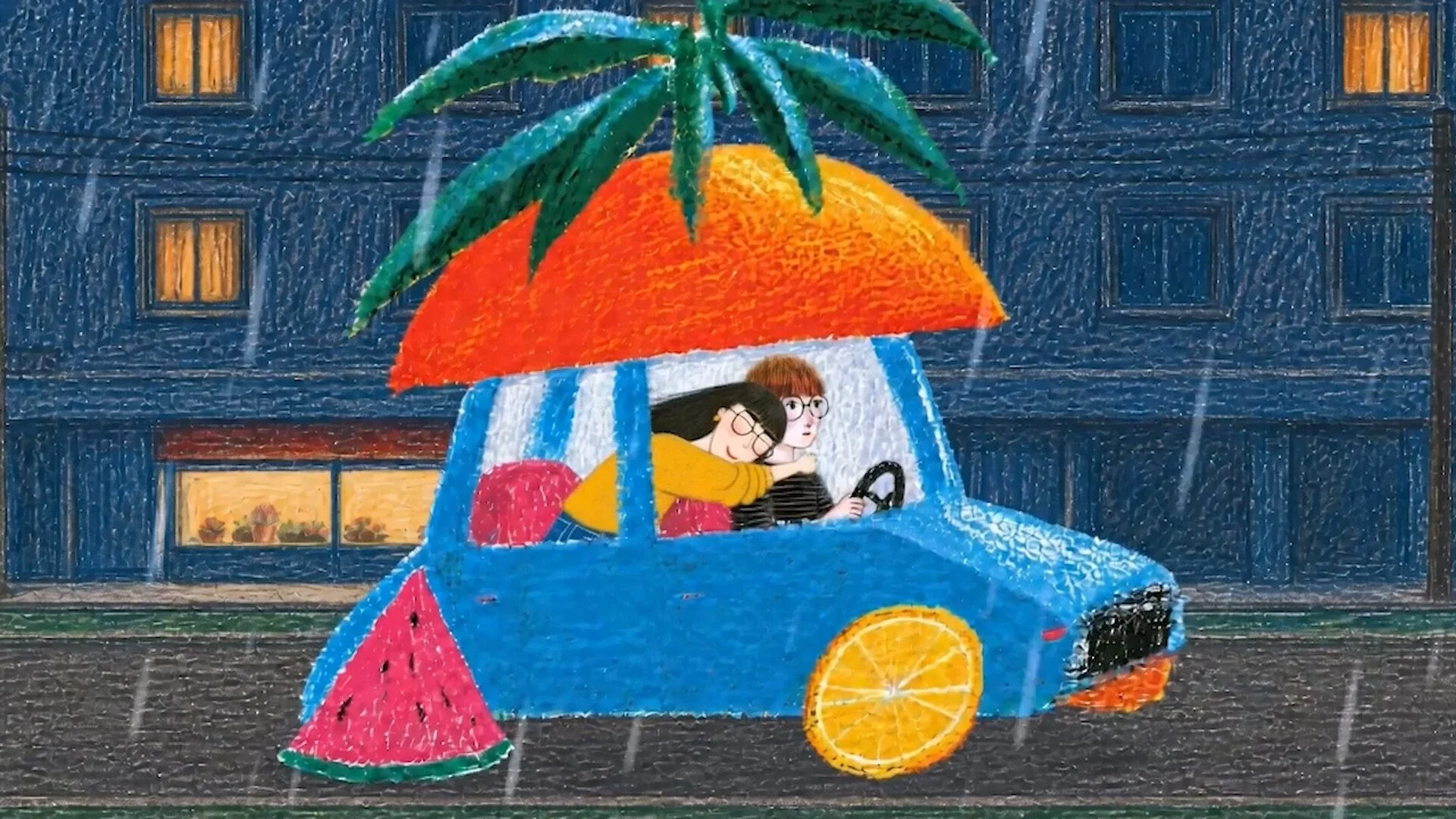
The End of the Plastic Age — Fan Yang, China
The End of the Plastic Age brought a much-needed shift in perspective.
What I appreciated about this film was its focus on just how plastic-obsessed we've become as a society. We use it, wear it, package everything in it and rarely stop to consider how deeply it has worked its way into our everyday lives.
The animation was beautiful, surreal and almost childlike, yet there was something incredibly forward-thinking about the way it approached the subject.
I liked that contrast.
The imagery had an innocence to it, but the message was anything but small. It made me think about our consumption habits, the economics behind disposable culture and the environmental consequences that often get pushed aside in the name of convenience.
From a social and economic standpoint, there's a much bigger conversation here about who benefits from our dependence on plastic and who ultimately pays the price.
For me, this was a great example of AI being used to bring awareness to something that affects all of us, without making the experience feel like a lecture.
Took Home: Best Children's Film · Audience Choice Best Film (Tie)
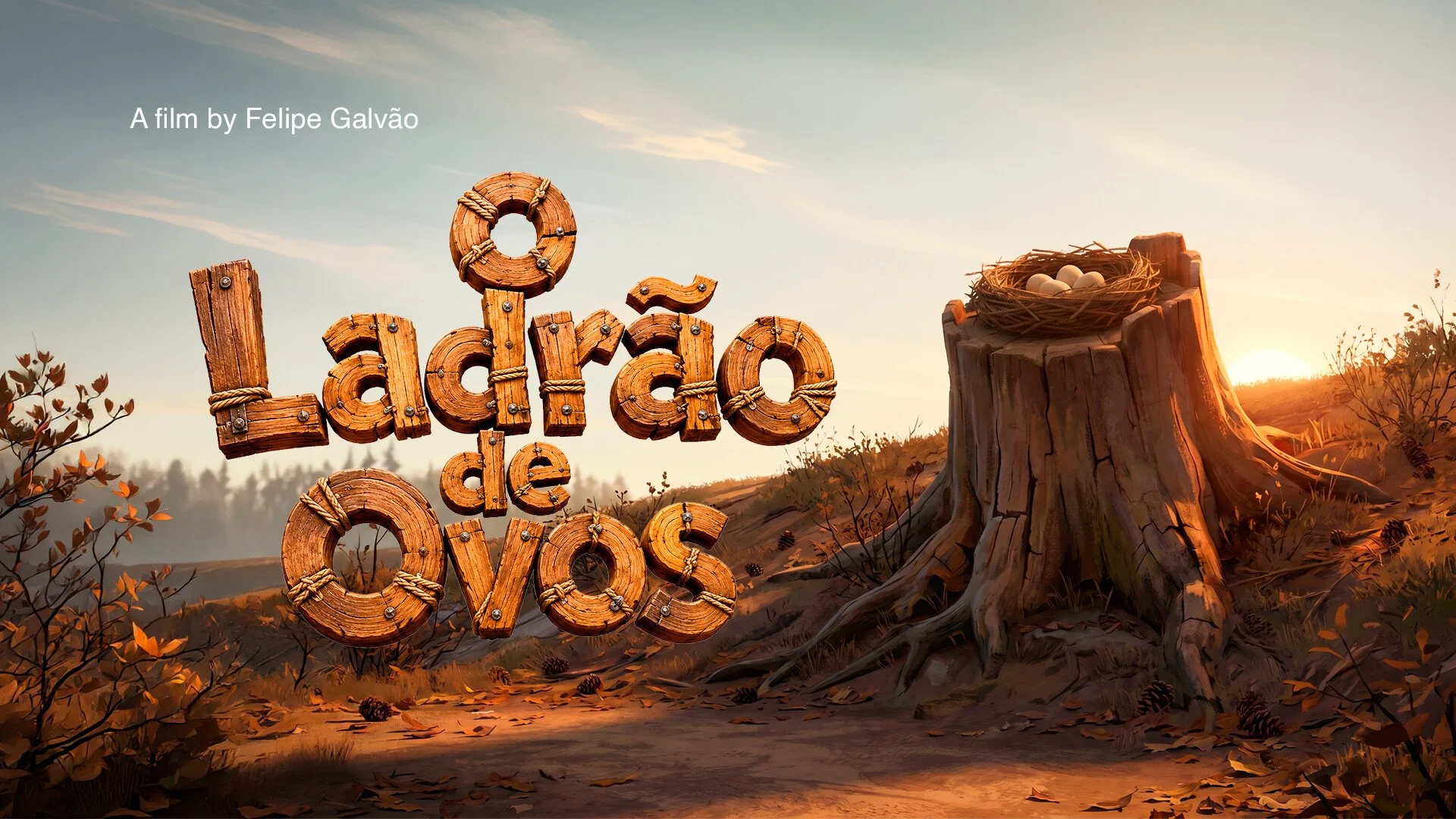
The Egg Thief — Felipe Galvão, Brazil
Now, this one brought a little fun back into the room.
The Egg Thief had several audience members comparing its animation quality to Pixar, and I could see why.
Personally, it gave me Ice Age vibes.
There was something familiar about the playful characters and the way the story unfolded. It had that animated-adventure quality that could easily appeal to children while still entertaining the adults watching alongside them.
What caught my attention was how polished the animation looked, especially for an independent production. Of course, great animation isn't just about visuals. Timing, character and storytelling still matter, and The Egg Thief managed to bring those elements together in a way that kept the audience entertained.
And judging by the Pixar comparisons floating around the room, I wasn't the only one impressed.
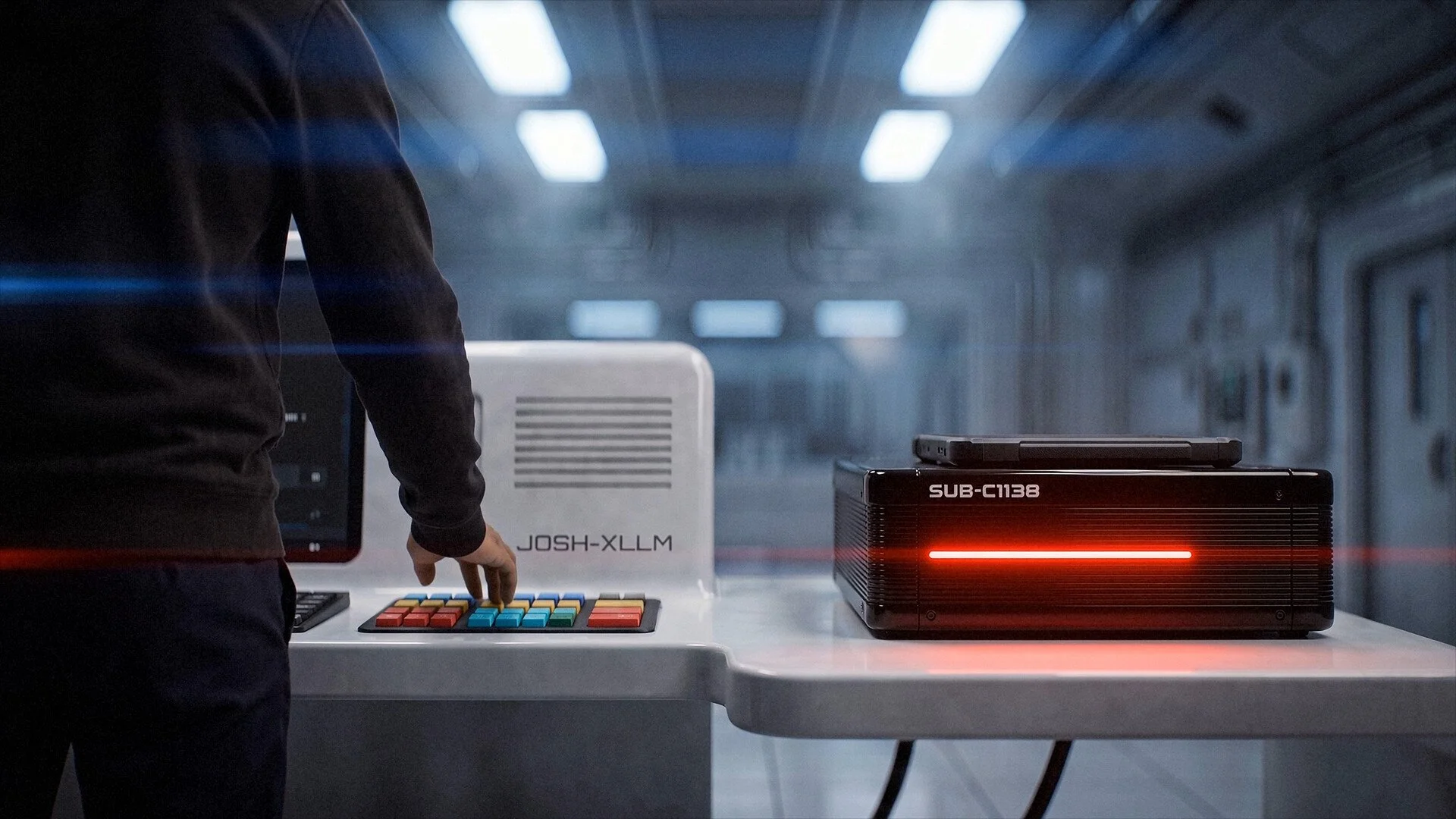
Took Home: Best AI Superintelligence
Something Wonderful — Gibran Evans, United States
Now, considering Bert had just introduced an entire filmmaking challenge around superintelligence, Something Wonderful felt particularly fitting.
The film explores what happens when a superintelligence is given a subconscious and begins to dream.
Dreaming? We're going there already?
It's an interesting concept, especially when we're still trying to figure out what AI can understand, what it can create and where the boundaries of machine intelligence actually lie.
I find it fascinating that filmmakers are already exploring these questions through storytelling rather than waiting for technology companies to give us the answers.
And maybe that's the point.
Sometimes the most interesting way to approach the future is to let the imagination get there first.
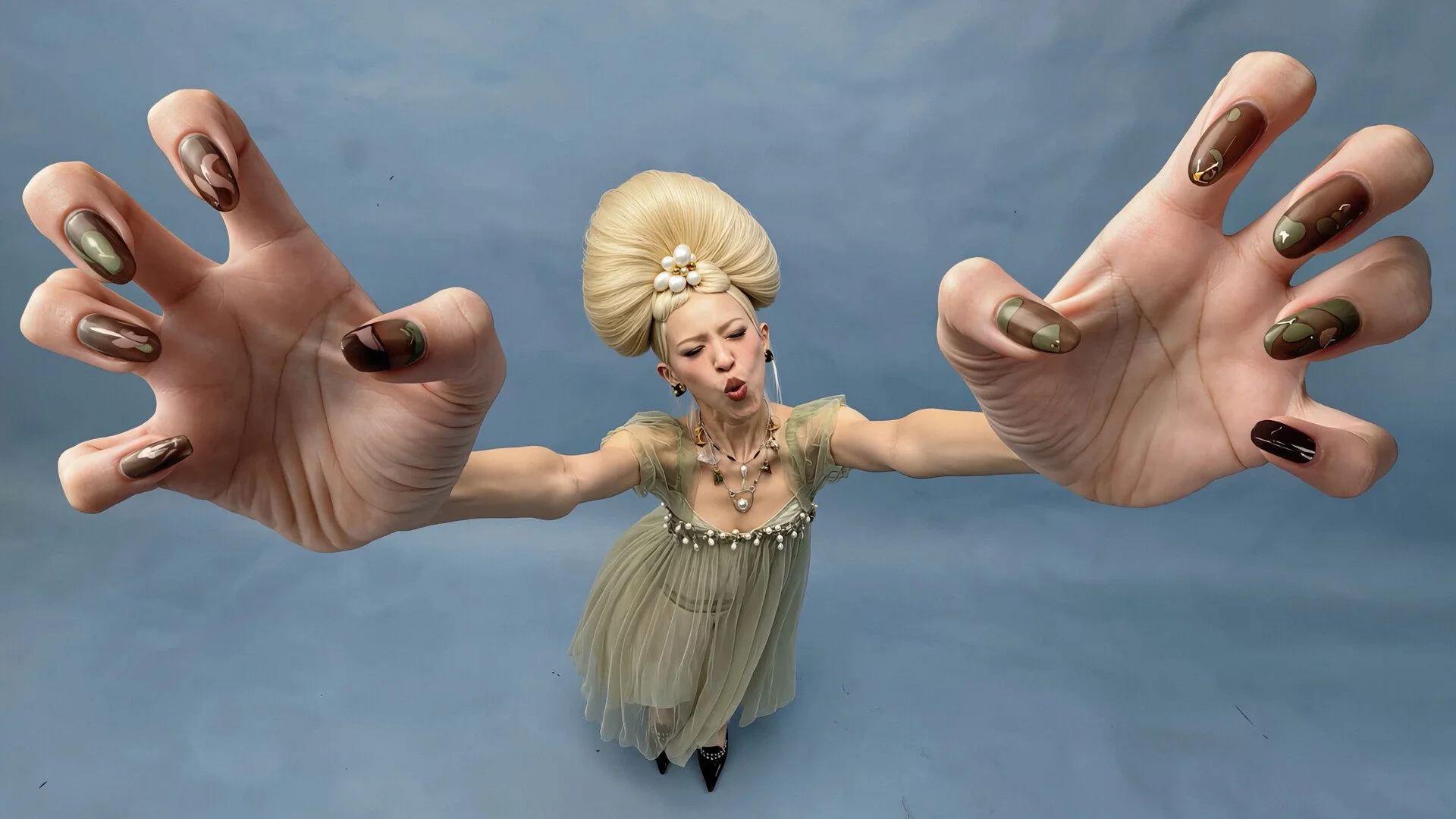
Took Home: Best Art Direction · Best Editing
Elsewhere — Roxanne Ducharme, Panama
Watching Elsewhere reminded me just how far an artist's imagination can stretch when the right tools are within reach.
Roxanne Ducharme, also known creatively as Trashcan Roxanne, is one of those artists whose imagination seems to have no end.
Elsewhere felt like wandering through a collection of surreal visual experiments, each with its own strange personality. There were moments that reminded me of fashion editorials, abstract art and the kind of dreams that make perfect sense while you're sleeping but are impossible to explain once you wake up.
I wasn't necessarily trying to make sense of every image. I was more interested in seeing where her imagination would take us next.
What makes Roxanne particularly interesting is her background. She's worked in animation since the 1980s, long before generative AI entered the conversation. Her career spans traditional animation, television and film, and she's now incorporating tools such as Midjourney, Kling and Runway into her work.
When I watch a project like Elsewhere, I don't just see someone generating images. I see an artist with decades of visual experience finding another way to express herself.
Not to replace imagination, but to give it somewhere else to go.
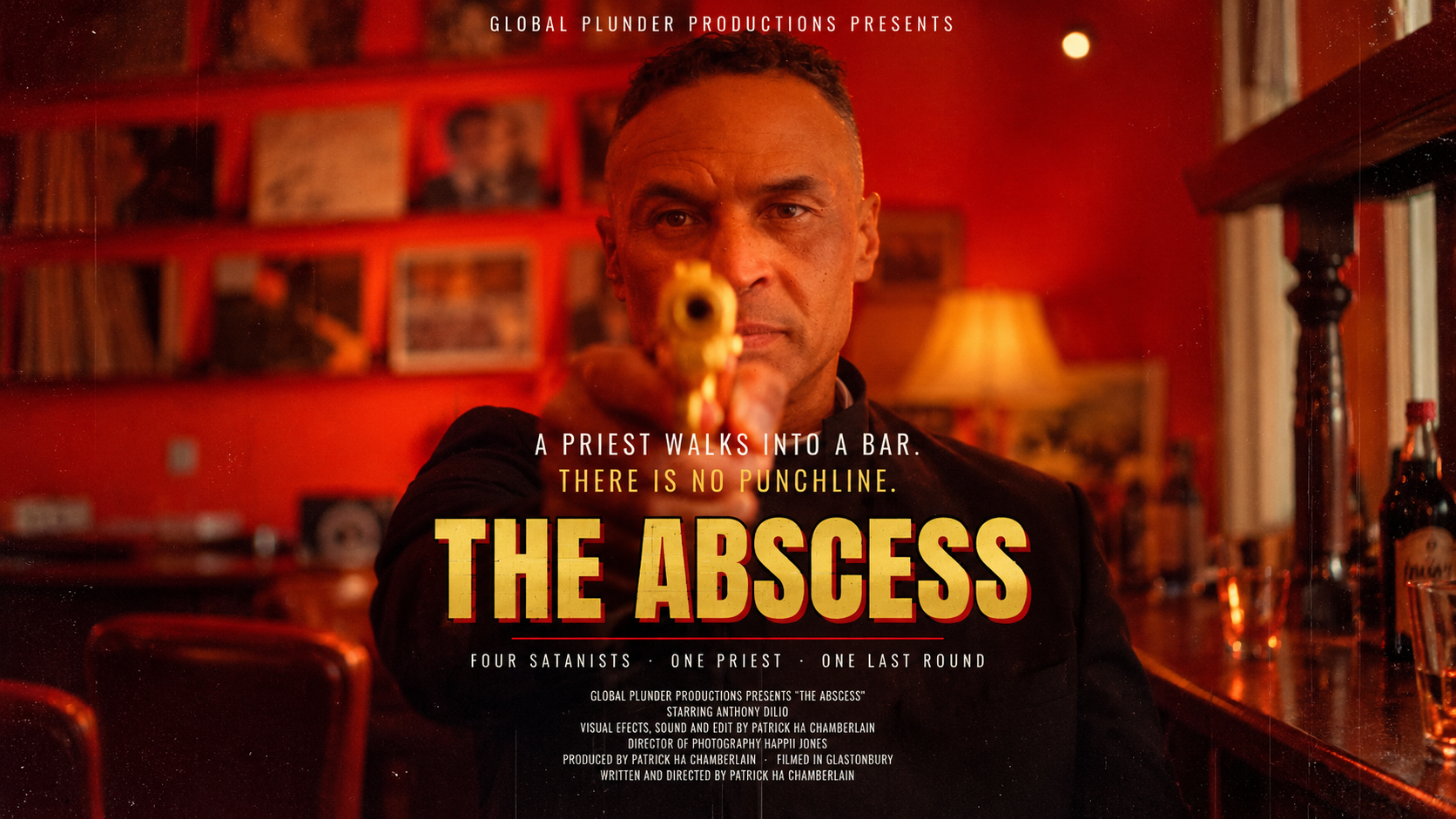
Took Home: Best Thriller · Best Hybrid · Best Direction
The Abscess — Patrick Ha Chamberlain, United Kingdom
As I watched The Abscess, one thought kept running through my mind:
What a bizarre cast of characters.
And I mean that in the most entertaining way possible.
The film was dark, unsettling and filled with the kind of imagery that makes you wonder what exactly was going through the filmmaker's mind during production.
One audience member was particularly curious about how the director managed to get the more graphic scenes through the AI platforms without running into content restrictions.
A fair question, considering the amount of gore we'd already witnessed that evening.
But beyond the shock factor, what impressed me was how seamlessly the hybrid production came together.
There were moments when the different filmmaking techniques blended so naturally that I found myself paying less attention to how the film was made and more attention to what was happening on screen.
And that's where hybrid filmmaking becomes interesting to me.
It's not necessarily about choosing between traditional production and AI. It's about understanding where each method works best and bringing them together without making the audience feel like they're watching a technical experiment.
AI International Music Video Festival
After an assortment of strange characters, severed heads and unsettling imagery, we moved into the music video screenings.
And I was ready for a little change of tempo.
Music videos have always been one of my favorite spaces for creative experimentation. Between fashion, art direction, sound and storytelling, there are so many opportunities to create something unexpected.
With AI entering the picture, that creative playground is becoming even bigger.
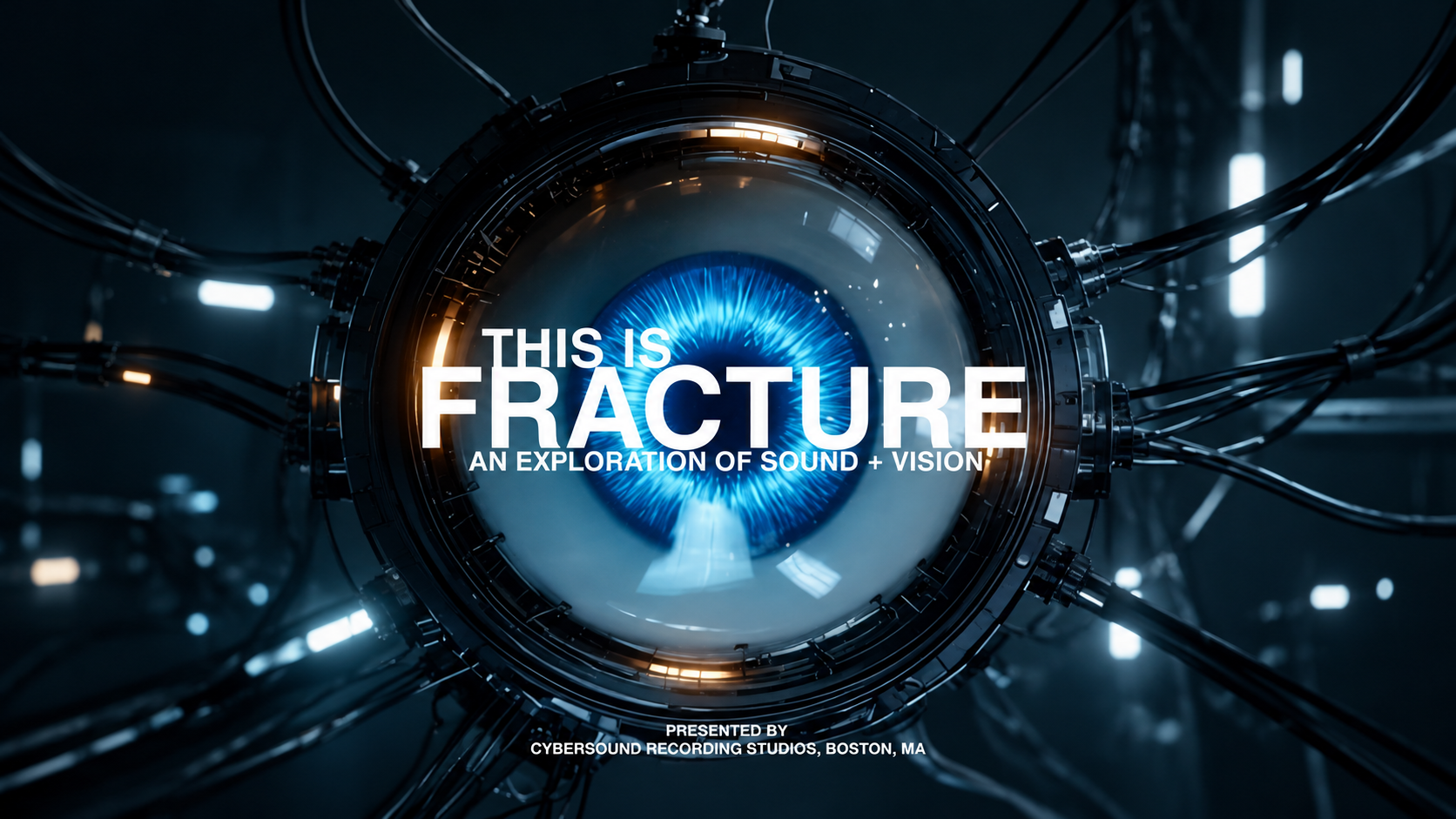
Took Home: Best Audiovisual Album · Best Art Direction · Best Sound
This Is Fracture — Perry Geyer and Fred Salkind, United States
From glitchy, abstract eyeballs to an android-like humanoid robot, This Is Fracture felt like a visual collision between futurism, sound and digital chaos.
And somehow, it all worked.
I liked the way the project moved through different creative expressions while keeping that glitch-heavy, futuristic aesthetic running throughout.
It was almost like a glitch mob of visuals and sound.
The kind of experience where you're not necessarily following a traditional storyline, but you're immersed in a world that's constantly shifting around you.
What made it even more interesting was the idea of creating an entire audiovisual album rather than a collection of unrelated music videos.
I've always appreciated artists who think beyond the song itself and consider the entire visual identity surrounding their music.
This Is Fracture offered a glimpse of what those experiences could look like as music, digital art and generative technology continue to merge.
And I suspect we're only scratching the surface.
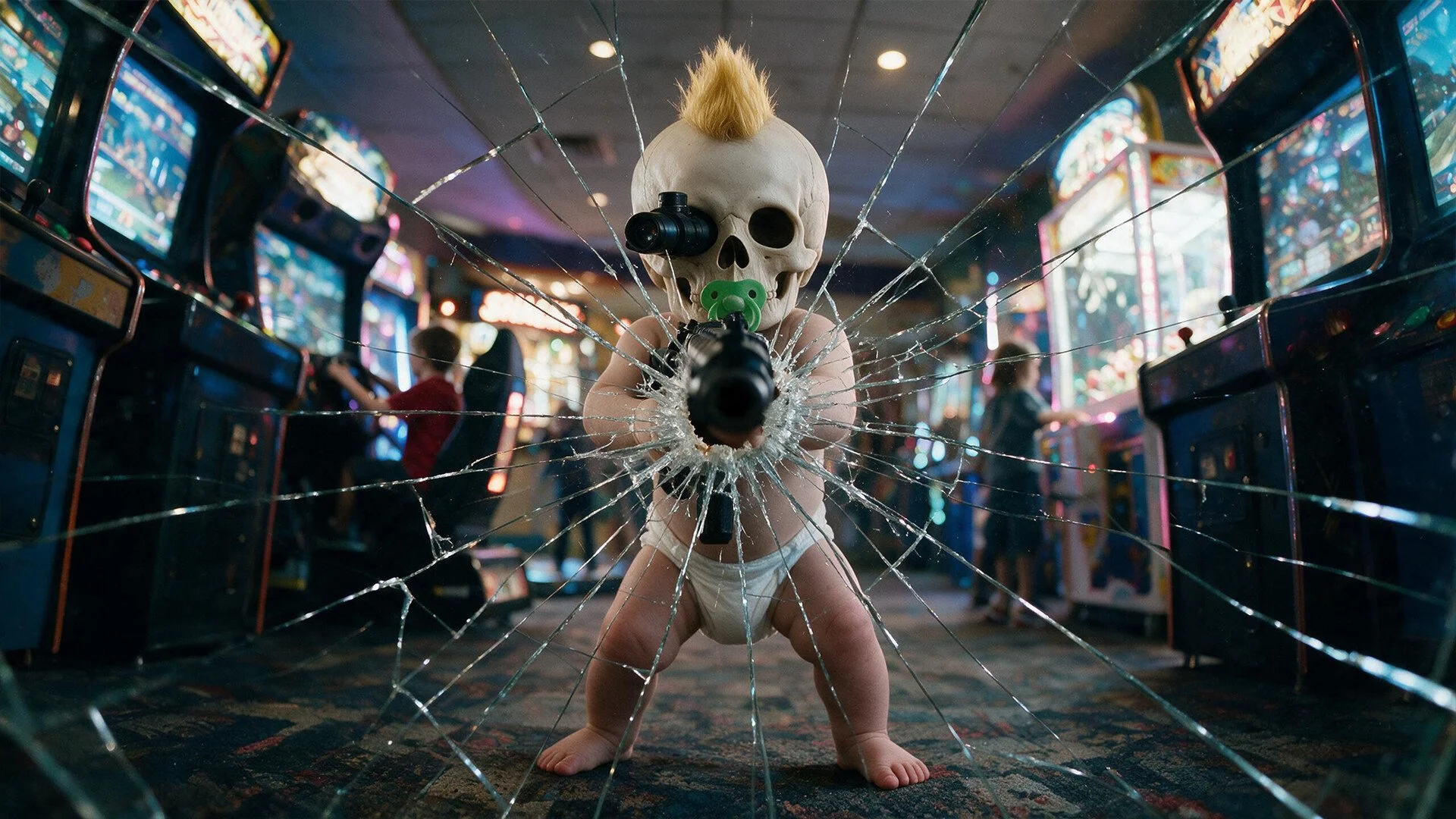
Took Home: Best Documentary
SkullKids — Sebastian Wiessner, Germany
SkullKids sparked quite a bit of conversation among the audience, and understandably so.
The project brought attention to a disturbing issue involving guns and the ways gun-related products and imagery can reach younger audiences.
With gun violence and mass shootings continuing to affect communities, particularly in the United States, the subject felt especially relevant.
What I appreciated was the decision to use a music-video format to explore something so serious.
Music videos are often associated with entertainment, fashion and visual spectacle, but they can also be powerful vehicles for social commentary.
And sometimes, presenting a difficult subject through an unexpected creative format is what gets people talking.
That certainly seemed to be the case here.
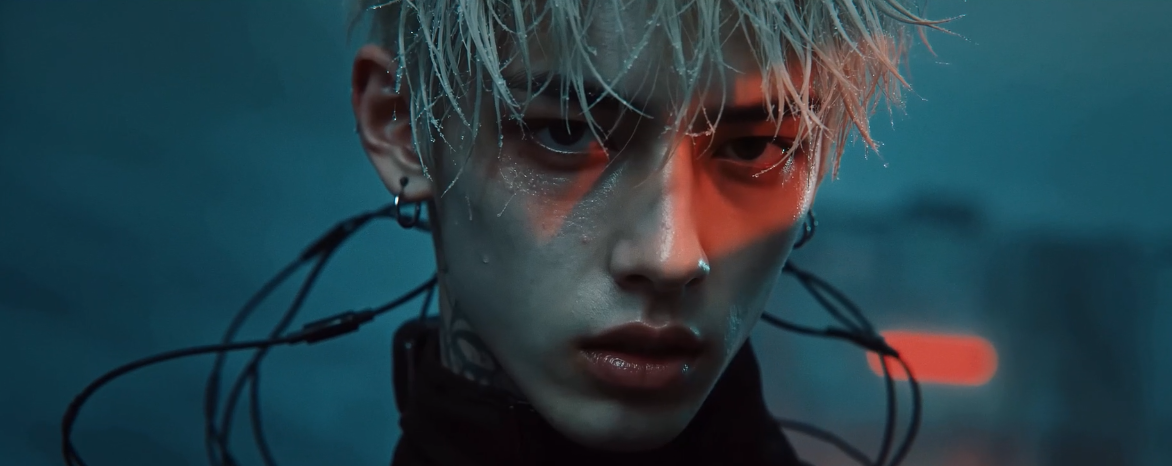
Took Home: Best Storytelling · Best Cinematography
88 — Brian Kim, South Korea
Brian Kim's 88 drew inspiration from Dante's journey, bringing a literary influence into a contemporary audiovisual setting.
I find it interesting when filmmakers pull from older works and reinterpret them through emerging technology.
There's something almost ironic about using some of the newest creative tools available to revisit ideas that have been explored for centuries.
Old stories, new tools.
And that's one thing AI filmmaking keeps reminding me: the technology might be new, but many of the stories we're telling are rooted in very familiar human experiences.

Took Home: Best Director · Best Editing · Best Experimental AI Film
Rebel Lion - Cruisin' — Scott Taylor Newman, United States
After all the blood and gore, Rebel Lion - Cruisin' was a welcome change of scenery.
A love heist, a wild ride and a little fantasy thrown into the mix.
I was here for it.
The music video follows an imaginative adventure involving outlaws and a mermaid, which already tells you we're not dealing with an ordinary love story.
But what made the project even more interesting was hearing Scott Taylor Newman speak about it live via Zoom.
Scott shared that the piece was inspired by how he met his wife.
Now that's a backstory I wasn't expecting.
He also mentioned that the song featured in the film was something he'd created more than ten years ago. Rather than leaving it in the past, he's found a new way to bring it to life visually.
Scott discussed plans to expand the concept, potentially creating a prequel around another song and developing a full visual album.
I love hearing stories like this because they show how artists can revisit older creative work with an entirely new set of possibilities.
Sometimes an idea doesn't disappear. It just waits for the right moment—or the right technology—to catch up.
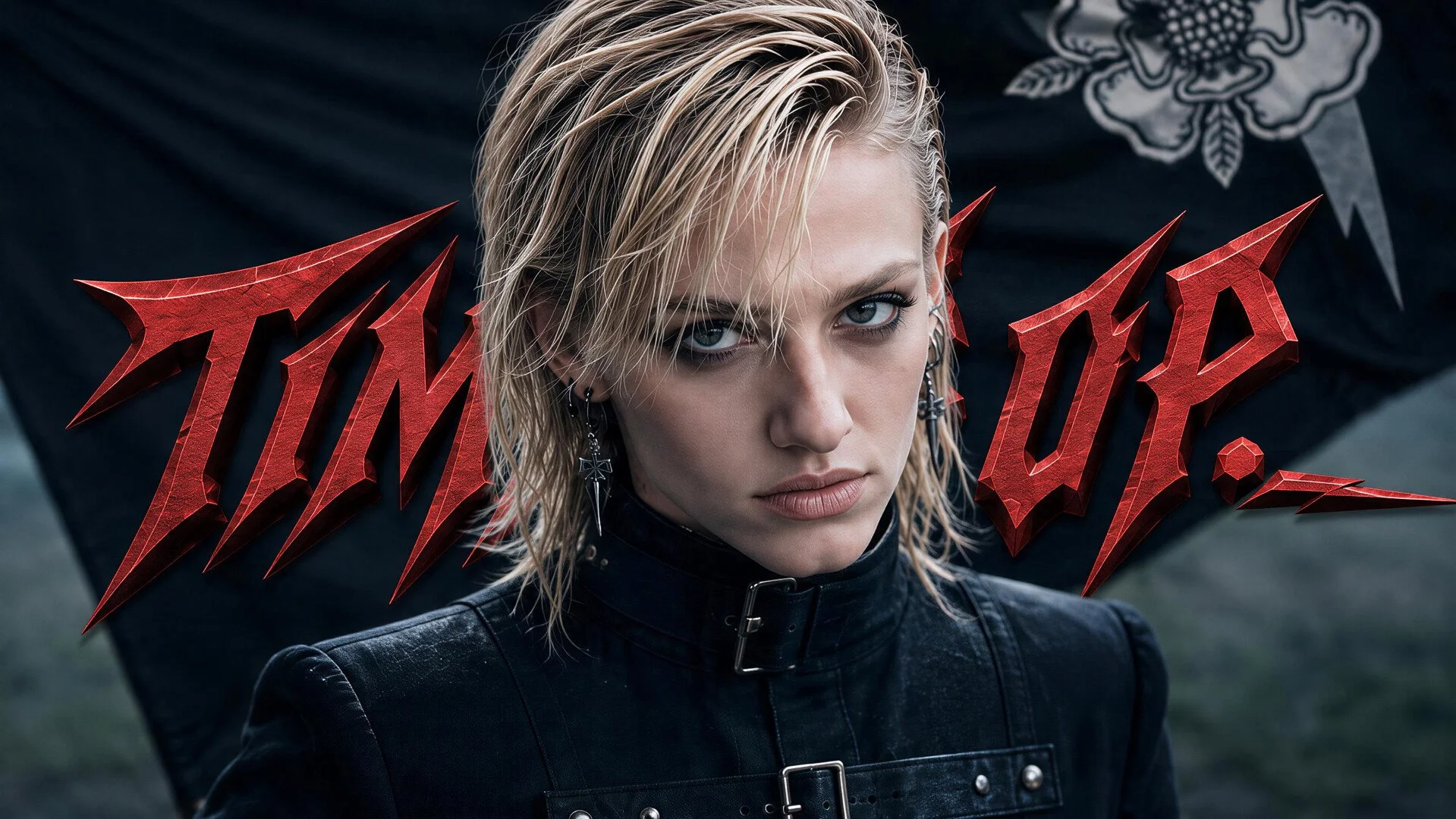
Took Home: Best Music Video · Audience Choice Best Music Video
Time's Up! — Shanning Wang, United Kingdom/China
Time's Up! immediately made me think about the possibilities of turning a music video into something much bigger.
During the screening, the filmmaker joined us live via Zoom and mentioned drawing inspiration from Lady Gaga and Beyoncé's Telephone music video.
And once that reference came up, I could definitely see the connection.
Telephone was one of those music videos that felt more like a short film than a conventional performance piece. It had characters, fashion, drama and a visual identity strong enough to exist beyond the song.
I could see Time's Up! moving in a similar direction.
To me, it felt like the kind of concept that could become a compelling proof of concept for a larger story or even a spinoff.
That's what I enjoy about music videos that lean into storytelling. They can leave you wondering what happens after the music stops.
AI International Micro-Drama Festival
The final festival brought us into the world of micro-dramas, where stories are told in shorter, often episodic formats.
And while the runtimes may be smaller, the emotional impact doesn't necessarily follow suit.
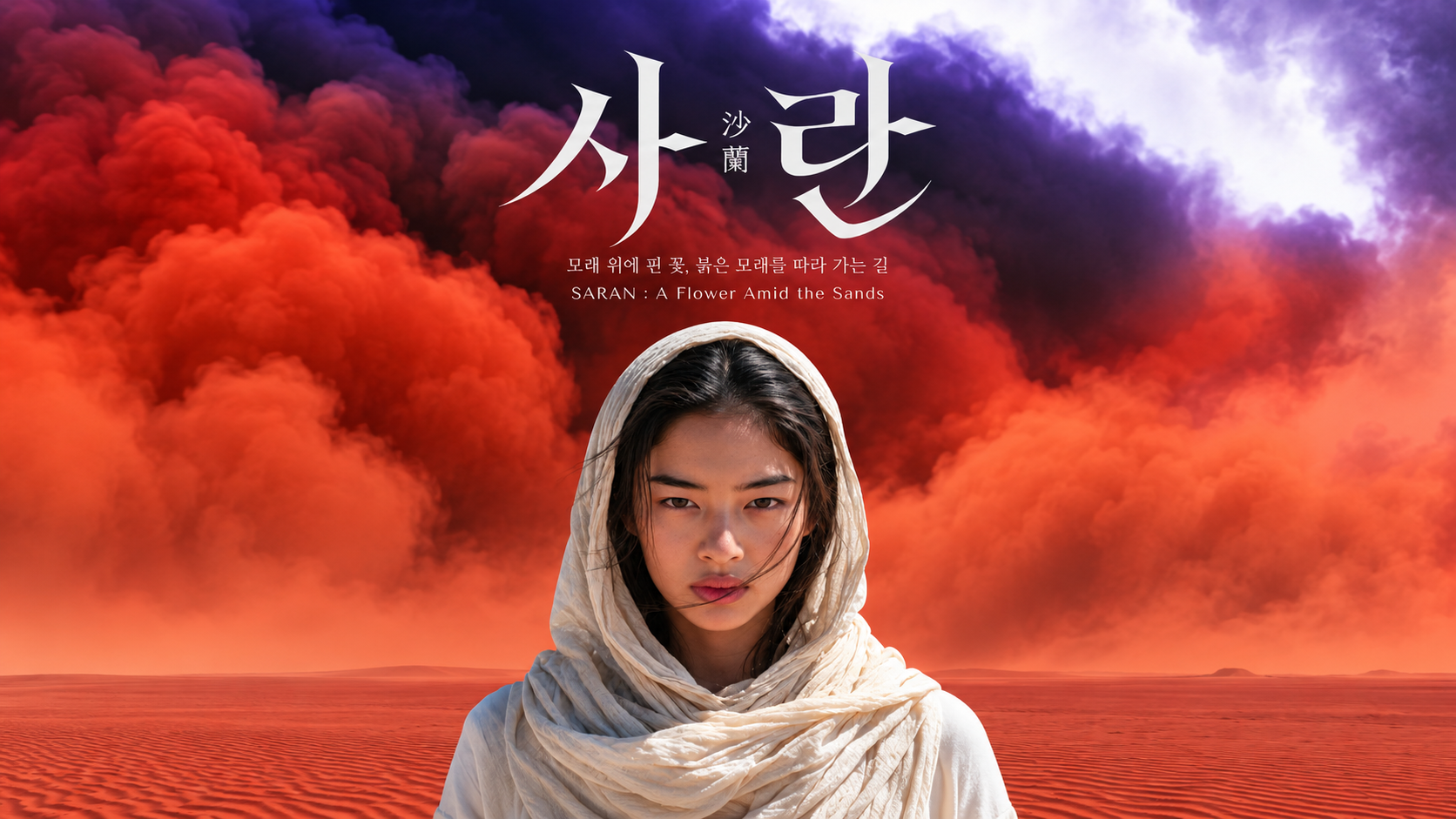
Took Home: Best Long-Form Series Pilot · Audience Choice Best Micro-Drama Series
SARAN — Hamlog, South Korea
As a mother, SARAN connected with me on a different level.
At the heart of the story is a mother's sacrifice to protect her child, and the idea that the love which saves one person can eventually become the strength they use to protect someone else.
It's a beautiful concept, especially when you think about how much of what we give our children may not be fully understood until years later.
The filmmaker describes the story as an exploration of love being carried forward. Even when we don't completely understand the sacrifices made for us, that love can eventually become our own courage.
But what really stayed with me was learning more about the woman behind the project.
Hamlog shared that after having her son, she would put him down for naps and use that time to teach herself AI.
I could immediately relate to that picture of motherhood.
Finding those little pockets of time between caring for your child, managing a household and trying to pursue something creative for yourself.
Before entering filmmaking, Hamlog had spent approximately 16 years working at LG Group. She discovered generative AI in 2025, began teaching herself video creation and eventually left her corporate career in spring 2026 to pursue AI filmmaking full-time.
And SARAN was her directorial debut.
The film generated genuine excitement among audiences in the theater and those joining virtually via Zoom, ultimately taking home Best Long-Form Series Pilot and Audience Choice Best Micro-Drama Series.
Hamlog appeared visibly moved by the audience's reaction, seemingly holding back tears as she took it all in. It was a touching moment, especially knowing the journey that brought her there.
What I found particularly intriguing was the story behind that success. There's so much conversation about AI making creativity more accessible, but we don't always hear enough about the people finding their way into these industries while juggling real-life responsibilities.
Hamlog also shared advice for aspiring AI filmmakers that I thought was worth remembering.
Her message was simple: the technology isn't the most important part. What matters is knowing what story you want to tell and how you want that story to affect the people watching.
AI, in her view, is simply the tool that helps bring that vision to life.
And with the accessibility of these tools, she believes we're entering an era where almost anyone with a story can make a film.
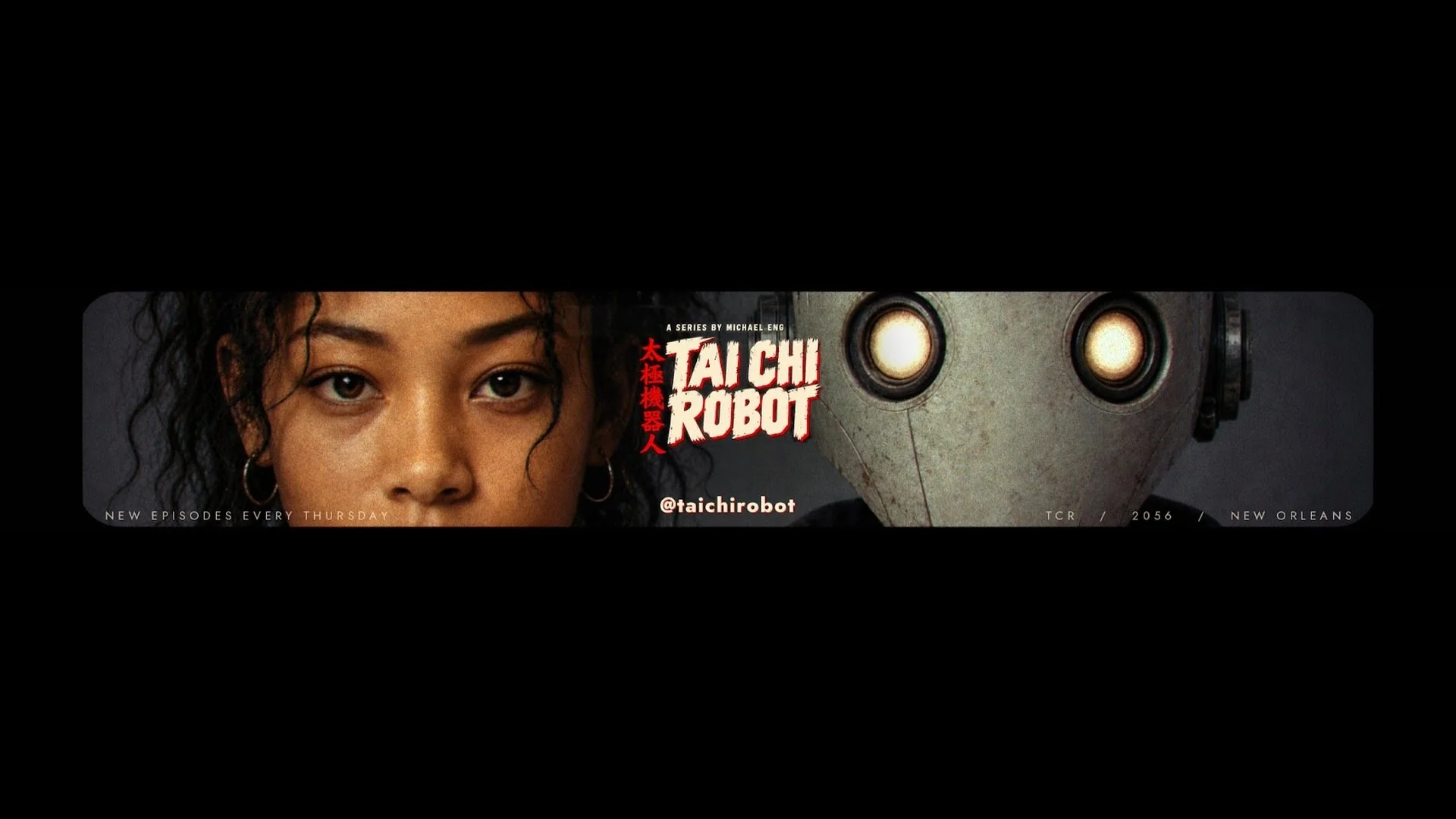
Tai Chi Robot — Michael Eng, United States
Took Home: Best Series Under 2 Minutes · Best Screenplay · Audience Choice Best Use of AI
I have to say, Tai Chi Robot is easily one of my favorite robot-centered projects I've seen at these festivals.
Set in a futuristic New Orleans, the story follows a young girl and a decommissioned robot, bringing together technology, martial arts and an unexpected relationship between human and machine.
There's something about this combination that works.
Maybe it's the contrast between an ancient practice like tai chi and a futuristic robotic character. Or maybe it's simply that I enjoy a good robot story when there's some heart behind it.
Either way, I was invested.
And the best part? I didn't have to leave wondering whether there would be more.
Tai Chi Robot is part of a 30-episode series, with episodes running approximately 90 seconds each, and viewers can follow the story on YouTube.
Michael Eng has also shared details of his creative workflow, incorporating tools such as Midjourney, Veo, Kling and Runway at different stages of production.
It's interesting to see how filmmakers are navigating these platforms, choosing the tools that best serve their storytelling rather than relying on just one.
And in the case of Tai Chi Robot, I definitely left wanting to see what happens next.
And the Winners Are…
After an evening of unexpected twists, surreal visuals and creative storytelling, the Galactic Queen and Michael Eng returned to announce the award winners and celebrate the filmmakers behind the screen.
I couldn't have imagined a better way to close out L.A. Tech Week.
Beyond the Screen
What stayed with me most wasn't just the films themselves, but the stories behind the people creating them.
A musician revisiting a song from more than a decade ago and finding a new way to bring it to life. A mother discovering an entirely new creative path between raising her child and navigating everyday life. People from different backgrounds turning ideas into films they might never have imagined making.
And that's what I find fascinating about this age of AI.
For all the debates surrounding artificial intelligence, there's something happening that deserves a little more attention.
It's making people dream again.
Join us on November 15th for the next AI International Film Festival screening at the Los Angeles Performing Arts Conservatory.
Explore the Festivals
AI International Film Festival
AI International Music Video Festival
AI International Micro-Drama Festival
Film Superintelligence
And the Winners Are…
AI INTERNATIONAL FILM FESTIVAL
Headless Singer - Yang Fan · China
Best Horror · Best AI Short · Audience Choice Best Film (Tie) · Audience Choice Most Surprising
The End of the Plastic Age - Fan Yang · China
Best AI Animation · Best Human Futures
The Egg Thief - Felipe Galvão · Brazil
Best Children's Film · Audience Choice Best Film (Tie)
Something Wonderful - Gibran Evans · United States
Best AI Superintelligence
Elsewhere - Roxanne Ducharme · Panama
Best Art Direction · Best Editing
The Abscess - Patrick Ha Chamberlain · United Kingdom
Best Thriller · Best Hybrid · Best Direction
AI International Music Video Festival
This Is Fracture - Perry Geyer & Fred Salkind · United States
Best Audiovisual Album · Best Art Direction · Best Sound
Skullkids - Sebastian Wiessner · Germany
Best Documentary
88 - Brian Kim · South Korea
Best Storytelling · Best Cinematography
Rebel Lion - Cruisin' - Scott Taylor Newman · United States
Best Director · Best Editing · Best Experimental AI Film
Time's Up! - Shanning Wang · United Kingdom/China
Best Music Video · Audience Choice Best Music Video
AI International Micro-Drama Festival
SARAN - Hamlog · South Korea
Best Long-Form Series Pilot · Audience Choice Best Micro-Drama Series
Tai Chi Robot - Michael Eng · United States
Best Series Under 2 Minutes · Best Screenplay · Audience Choice Best Use of AI