The Vision Isn’t Artificial: Inside LA’s AI International Film Festival
Los Angeles has recently been experiencing an extreme heat wave that feels a little like Hell’s Kitchen, but even the soaring temperatures couldn’t deter my excitement about attending the AI International Film Festival.
As I walked up to Sunset Boulevard and began heading north on Highland toward the event, I was excited to see the festival’s latest transformation. This month, the AI International Film Festival was held at the Los Angeles Performing Arts Conservatory, within walking distance of the Hollywood Walk of Fame. Yet somehow, tucked just off to the side and in the midst of all the busyness of the city, it still managed to feel intimate, artsy and private.
As I walked in, I was greeted with a warm welcome from the AI International Film Festival team and treated to light bites and refreshments. Filmmakers were being interviewed on the red carpet, sharing details about their latest projects, while a mix of industry professionals and creatives filled the space. It was also great to see familiar faces, filmmakers who had previously presented work returning to support the newest group of artists.
And this really was an international room. The September premiere drew submissions from 35 countries, with the selected films taking us from Italy and Romania to South Korea, India, the Netherlands, the UAE and beyond.
Throughout the afternoon, I had conversations with several of the filmmakers and gained more insight into why they’re integrating AI into their work. That’s becoming one of the more interesting parts of watching this space evolve. It’s not simply about whether filmmakers are using AI anymore, but how and why they’re choosing to use it.
As the room continued to fill and the energy picked up, founder Bert Holland pulled back the drapes, signaling that it was time for the screenings to begin. We made our way inside, took our seats and settled in.
What followed was actually three distinct festivals rolled into one afternoon: the AI International Film Festival, the AI Music Video Festival and the AI Micro-Drama Festival. Each had its own personality, format and group of storytellers, but together they offered a pretty interesting look at just how broad the definition of “AI filmmaking” is becoming.
Some films pulled me in through their visuals, others through storytelling, humor, fashion or simply an idea I hadn’t thought about before.
And naturally, I had thoughts.
Here are a few of the films and creative moments that stayed with me after the screenings.
AI INTERNATIONAL FILM FESTIVAL
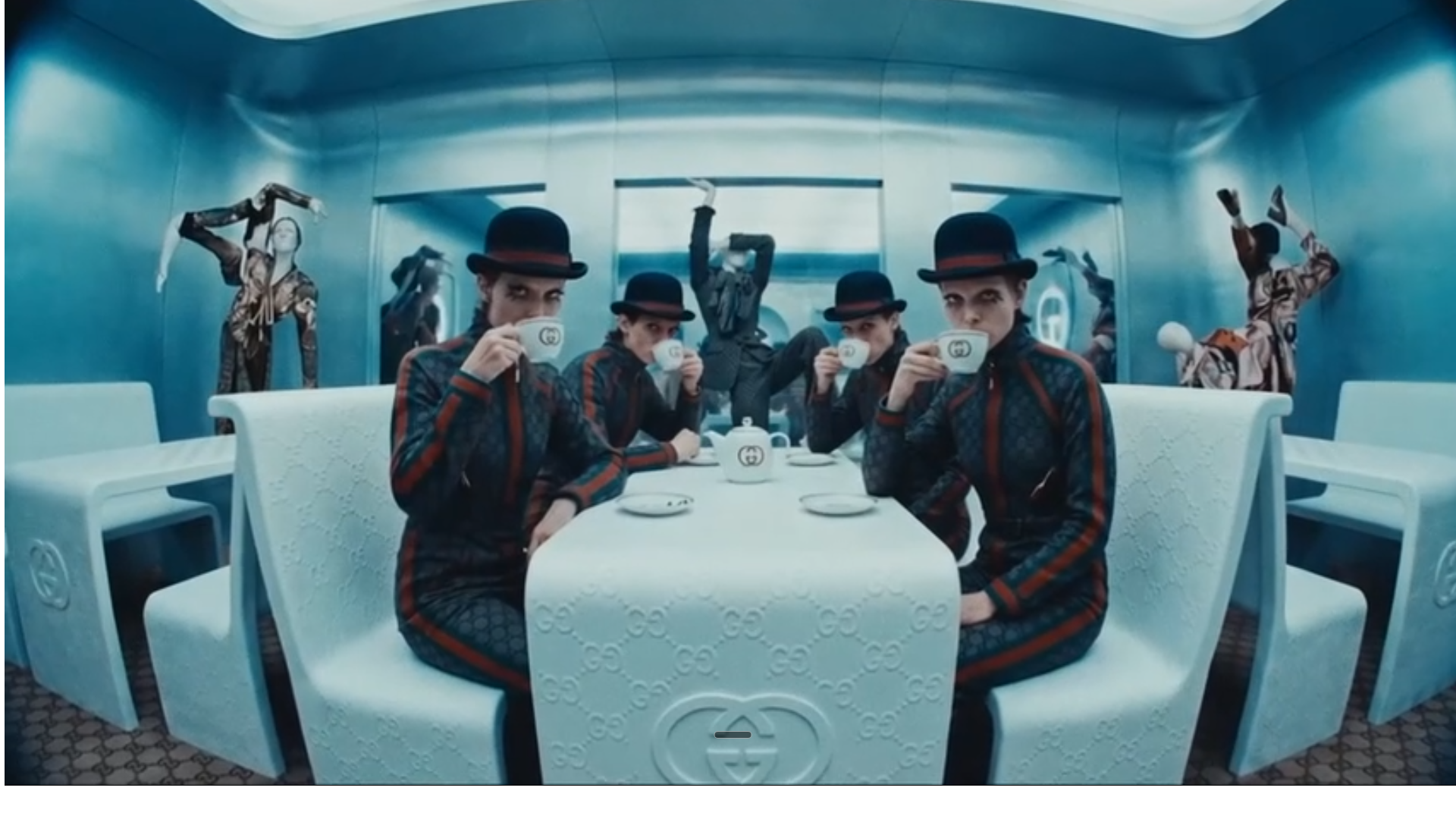
Nuance — Nicola Bettoni, Italy
Took Home: Best Art Direction
Just in time for the buzz surrounding New York Fashion Week, Nuance, directed by Italian filmmaker Nicola Bettoni, felt incredibly on time.
Beyond the beautiful fashion imagery—and a pretty good look at how far fashion visuals have progressed within this medium, the storyline tapped into one of the biggest debates surrounding generative AI: Who actually owns the vision?
For me, the vision doesn’t belong to the tool. It belongs to the person with the vision.
That’s a distinction that still seems to get lost. A tool can execute and introduce new possibilities, but someone is still deciding what feels right, what doesn’t, what stays, what goes and ultimately what story is being told. Nuance presented that conversation beautifully without needing to over-explain it.
Still — Jina Park, South Korea
Took Home: Best Experimental
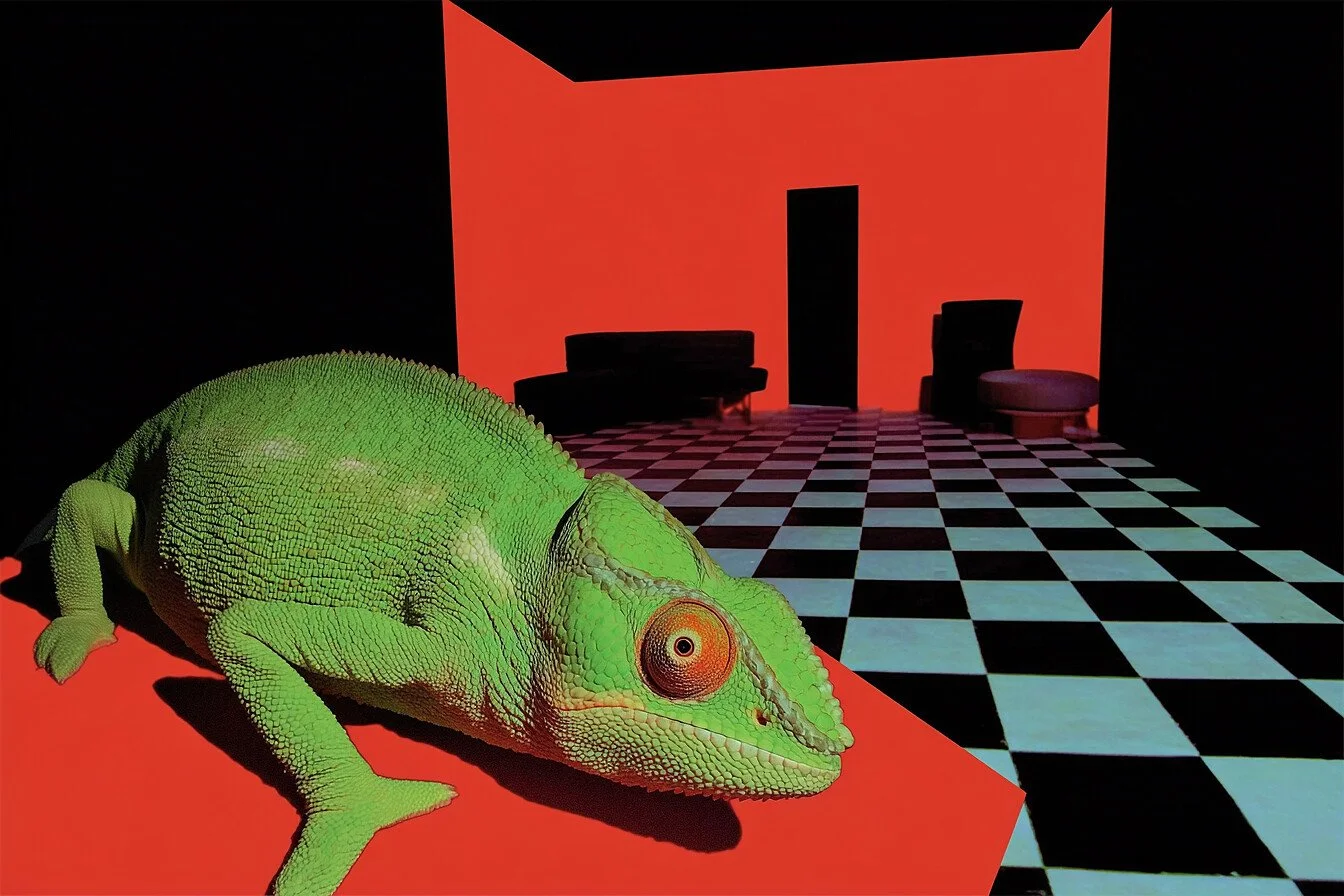
South Korean filmmaker Jina Park debuted Still, a psychological AI short that demands attention.
Watching it, I couldn’t help thinking about how cool these visuals would be as a music video. Park creates such surreal imagery that you could almost mute the film, pair it with the right music and experience it as an entirely different piece of art.
There’s a hint of nostalgia mixed with modernism and surrealism that makes the film visually enticing. Park’s artistic expression feels distinctly her own, and in a space where we’re already beginning to recognize certain repeated AI aesthetics, that matters.
Her use of AI feels less like showing off the technology and more like an artist choosing a new medium to tell her story.
The more interesting AI filmmaking becomes, the less you think about the AI. You start thinking about the artist.
Crownless & Bound — Taylor Matter, United States
Took Home: Best Short Director · Best Story · Audience Choice: Most Surprising
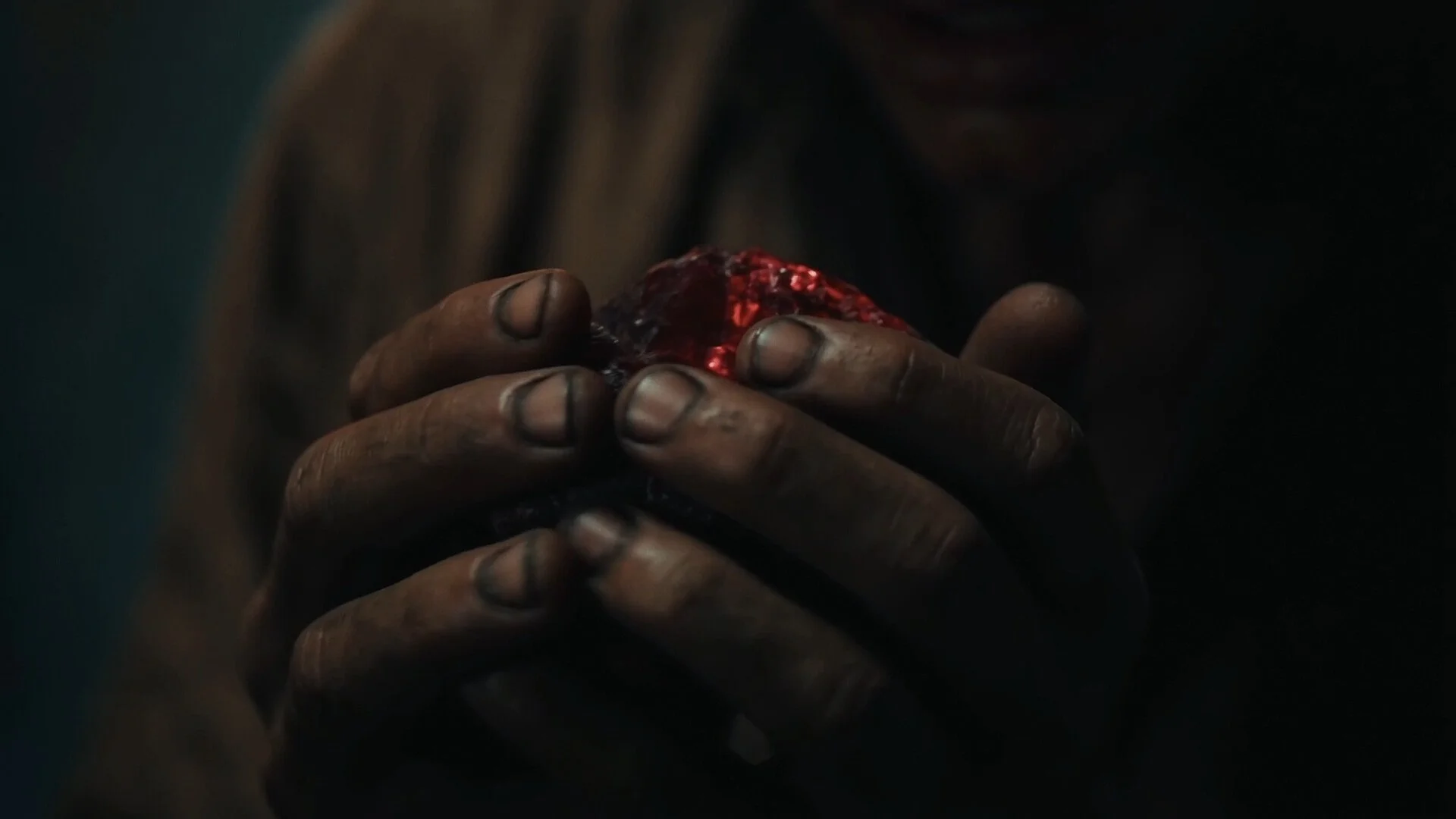
Making its world premiere, Taylor Matter’s Crownless & Bound transported the audience to late 16th-century England, following a young commoner who discovers a rare gemstone.
What makes the finished film even more interesting is how its world was built. Matter modeled the primary setting in Blender, textured it in Adobe Substance 3D Painter and incorporated photography and generative tools into the process.
It’s another reason I’m hesitant to reduce this emerging style of filmmaking to simply “AI-generated.” There can be a whole lot of craft happening before we ever see the final frame.
Yuki — Andrei Sava
Romania
Took Home: Best AI Short · Audience Choice: Best Film · Best Use of AI
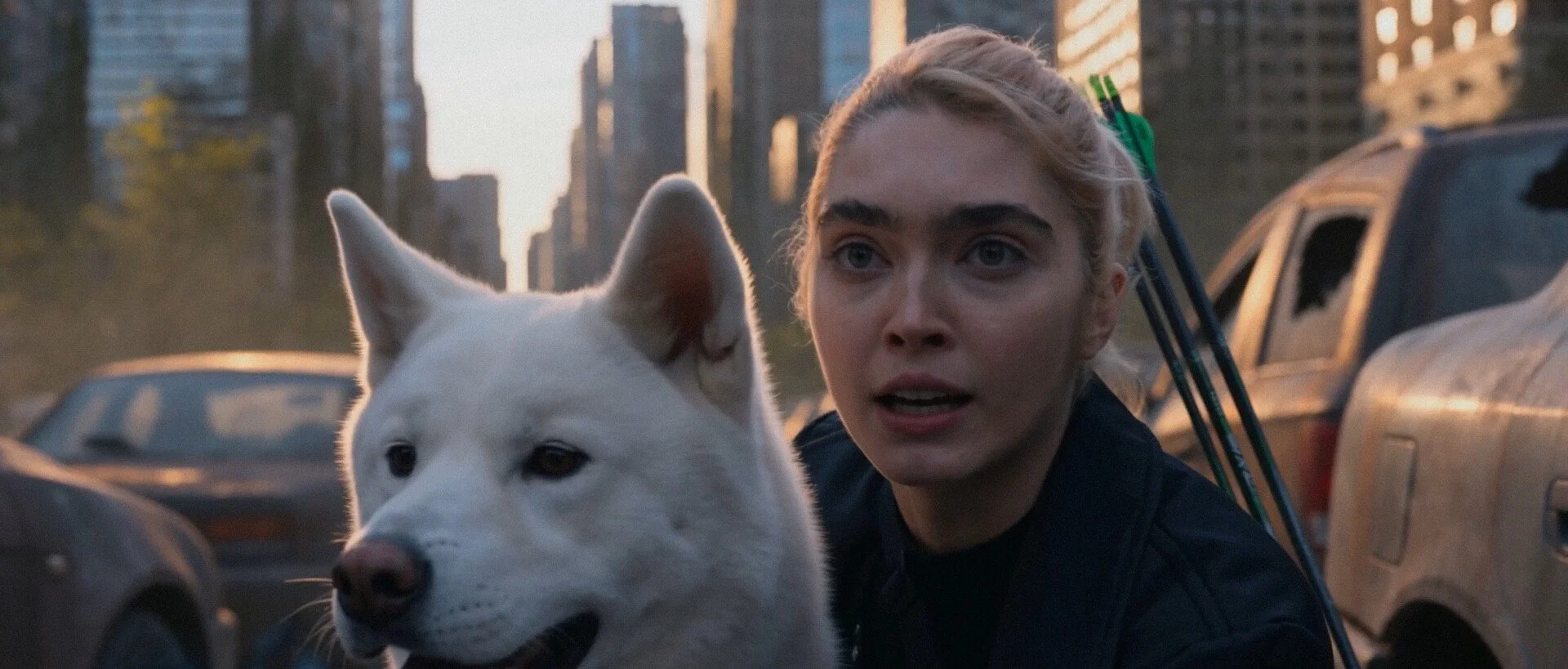
Romanian filmmaker Andrei Sava returned with Yuki, and this one gave you all the feels.
The film follows a woman and her dog against the backdrop of a post-apocalyptic world, with Sava drawing part of its emotional foundation from his own life. From beginning to end, Yuki kept the audience highly engaged. There was something genuinely compelling about the way it captured the bond between a human and their furry companion—a relationship that really doesn’t need much explaining if you’ve ever loved a pet.
In contrast to the popular belief that AI imagery can’t carry genuine emotion, Yuki challenged that idea pretty quickly. The storyline was beautifully crafted, emotional and surprisingly tender. You weren’t just watching what happened to these characters; you cared about what happened to them.
The technology helped build the world, but the feeling came from the storytelling.
Cracked Chimes — Scott Mongeau, Netherlands
Took Home: Best Horror · Best International Short
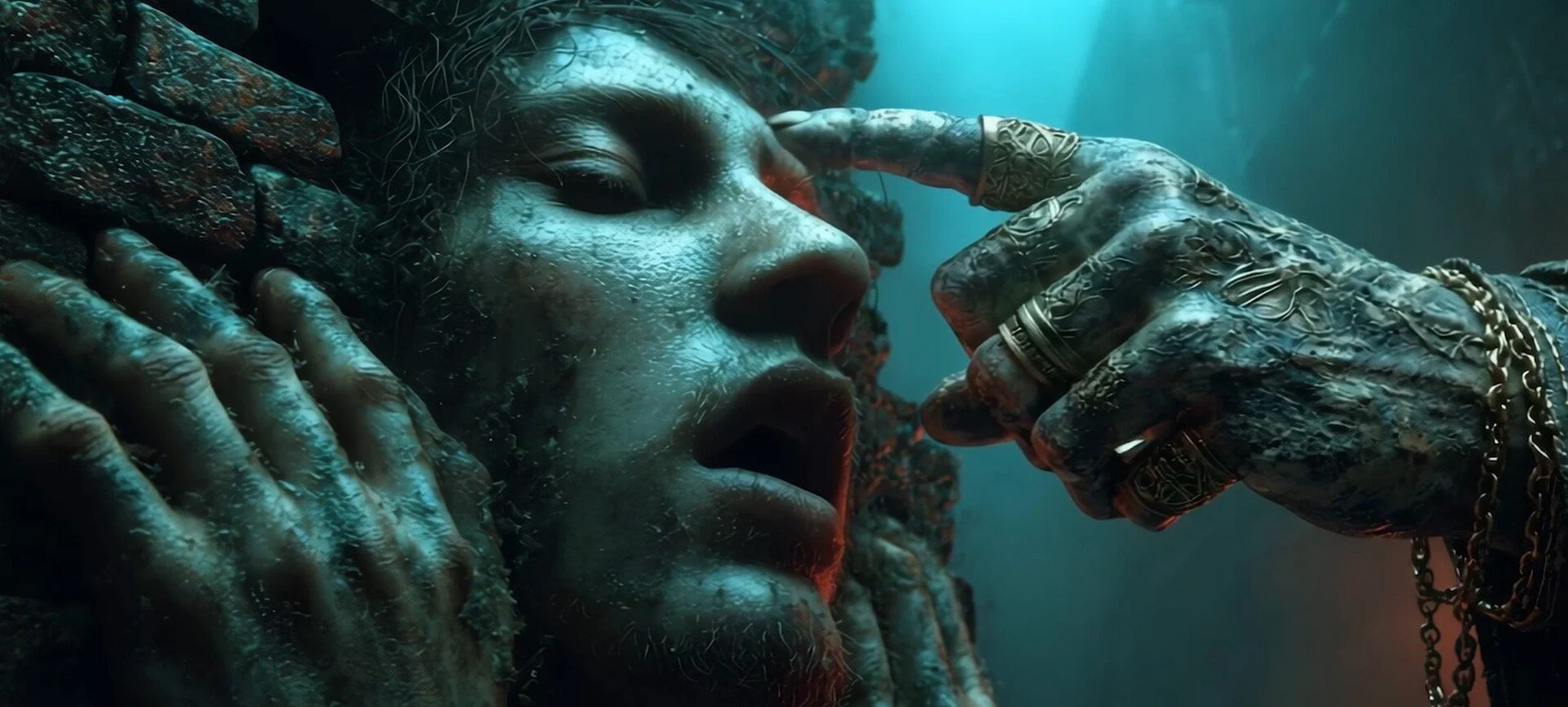
Cracked Chimes was one of the afternoon’s most striking visual presentations, immediately transporting the audience into an ethereal, haunted world.
There was something incredibly intricate and intentional about what was being presented onscreen—from the haunting architecture and shadowy environments to the almost painterly composition of individual frames.
It didn’t feel like imagery generated simply because it could be generated.
It felt designed.
The project also highlighted something important about where AI filmmaking is heading. Generative technology may have played a role in creating the imagery and voices, but the film’s original score was traditionally written and produced.
That hybrid approach might actually tell us more about the future of filmmaking than the “AI versus human” debate does.
Maybe it isn’t always one or the other.
And with that, the film festival portion of the afternoon came to a close—but we weren’t done yet.
The room shifted gears as the AI Music Video Festival took over the screen, bringing a completely different rhythm and energy with it. After spending the afternoon inside cinematic worlds and narratives, this part felt a little looser, a little louder and, judging by the audience, much harder to sit completely still through.
THE AI MUSIC VIDEO FESTIVAL
Tsunami Surf — Hideharu Ueki, Japan
Took Home: Audience Choice Best Music Video · Best Experimental · Best AI Visuals
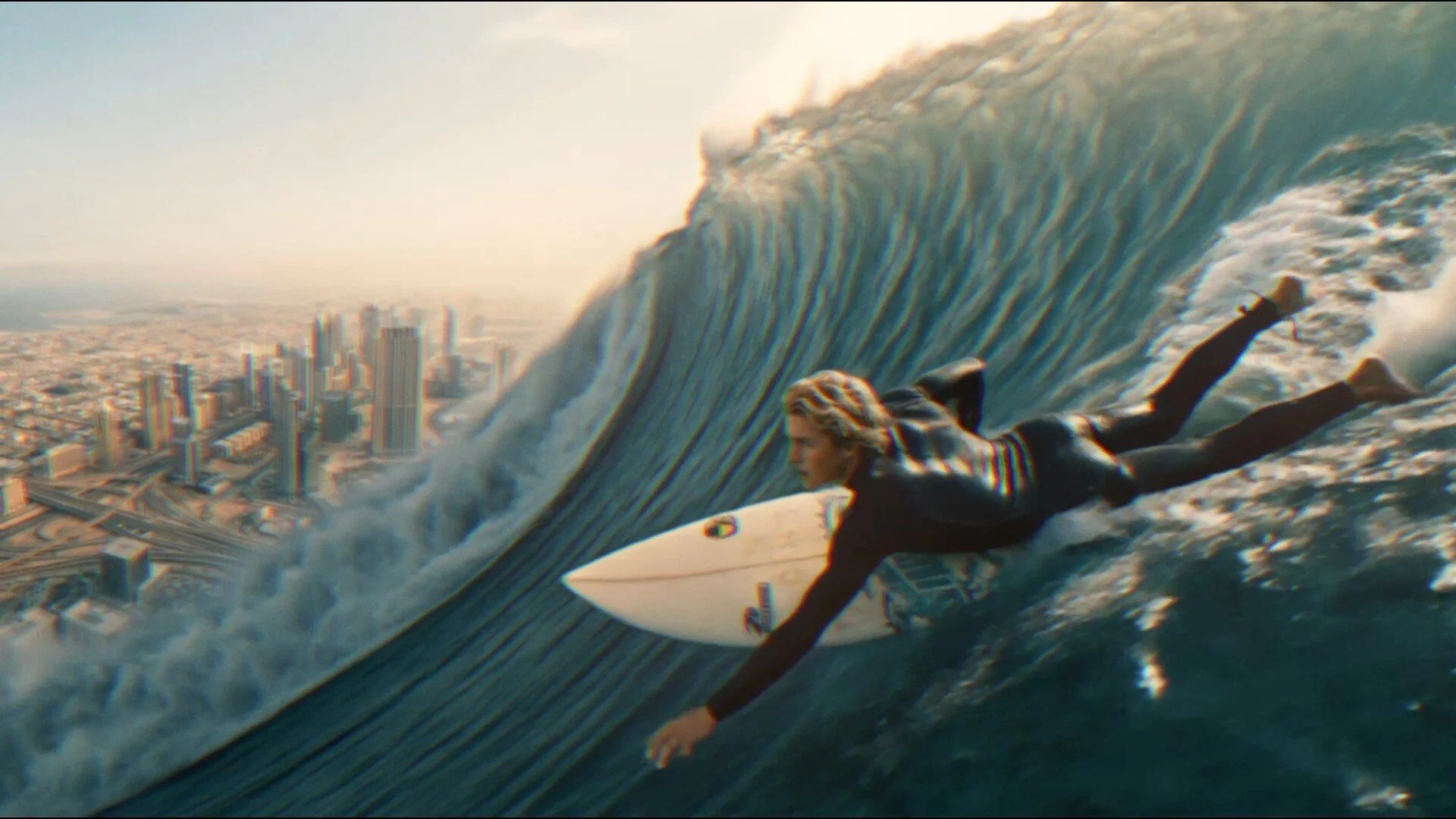
Tsunami Surf, by Japanese artist and director Hideharu Ueki, had an easy, dreamy California Dreamin’ energy that felt strangely appropriate for a screening happening just off Sunset Boulevard.
The premise itself, however, was much more extreme—surfing a catastrophic tsunami in Japan. That contrast between something so destructive and the almost dreamlike visual experience made the concept even more interesting to watch.
Borrowed Shoes — Mikeijay, United Kingdom
Directed by Michael J Anderson
Took Home: Best Storytelling
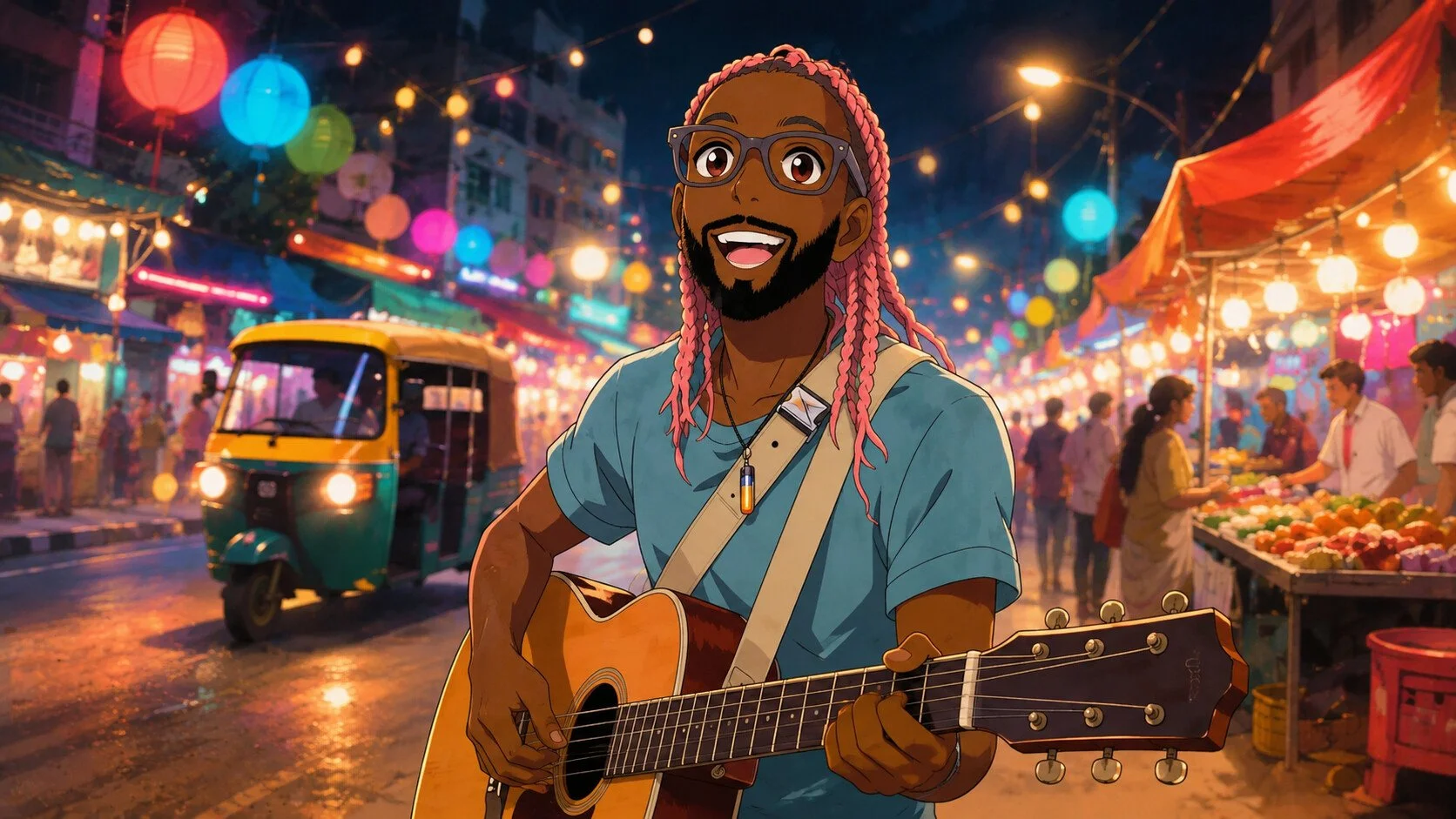
Then came Borrowed Shoes, by UK artist Mikeijay and director Michael J Anderson. It immediately gave me The Boondocks-style animation vibes—and this was where I started noticing feet tapping and heads bobbing around the audience. Sometimes you don’t need a review. Just look around the room.
The concept was heavier than the groove initially suggested, using borrowed shoes as a metaphor for what it feels like to run out of medication.
Fall Into My Arms — The Chubbies, United States
Directed by Aron Orton
Took Home: Best Music Video · Best Director
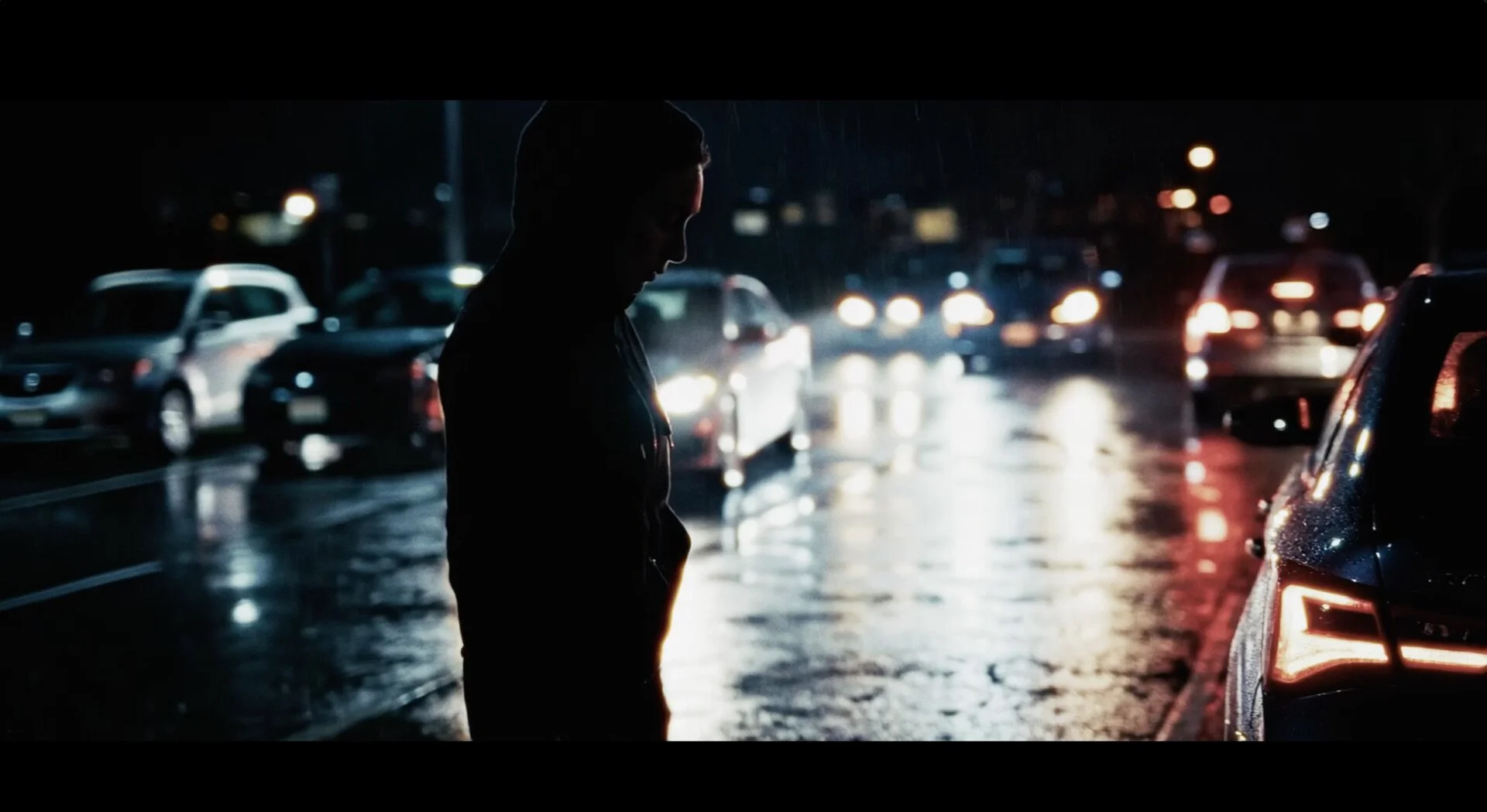
Rounding things out was Fall Into My Arms by The Chubbies, directed by Aron Orton. The story brought a heavier emotional layer to the music portion of the afternoon, touching on addiction and recovery through a mother’s search for her lost son.
There was also an interesting collision between low-fi creativity and emerging technology. The song began with vocals recorded on an iPhone, while its visual world brought real photography and AI together.
After the music videos gave the room a little change of tempo, the afternoon shifted once again—this time into bite-sized storytelling with the AI Micro-Drama Festival.
And “micro” definitely didn’t mean there wasn’t much to say. These shorter projects moved quickly, but some tackled surprisingly big subjects—from entrepreneurship and life insurance to comedy, scams and human trafficking.
Welcome to festival number three.
THE AI MICRO-DRAMA FESTIVAL
TheLegacy Series -
Dr.ShawndaStewart—United States
Took Home: Best Advertorial Series
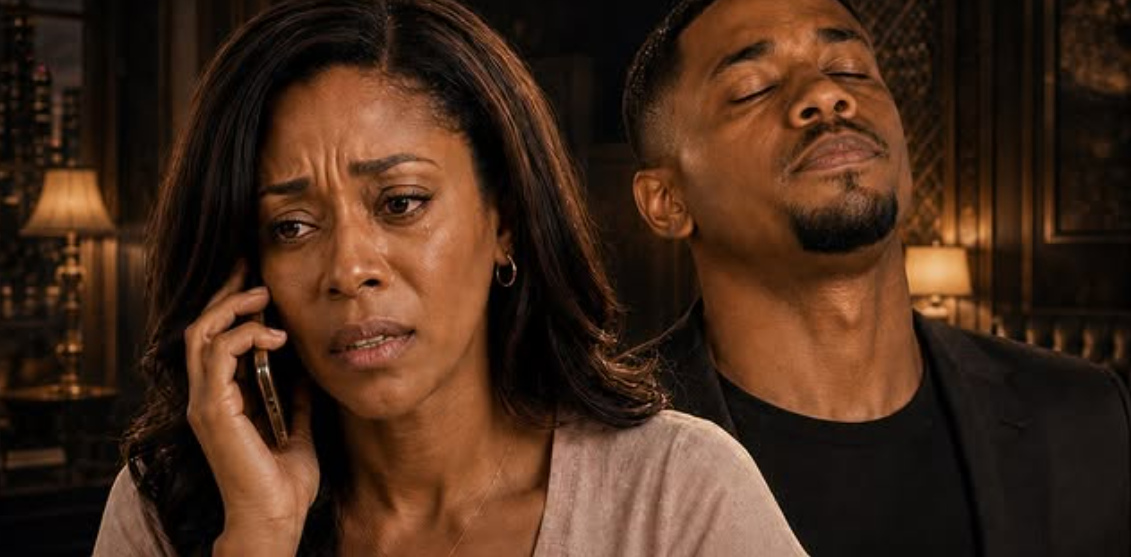
Then came The Legacy Series.
Filmmaker Dr. Shawnda Stewart attended in person, wearing a tiger-print shawl with her hair in a chic bob, and brought an entirely different perspective to the festival.
When I spoke with Stewart, I learned that her professional background spans technology and insurance. She explained that part of the inspiration behind The Legacy Series was finding a more creative way to educate her clients, helping them visualize and better understand topics that aren’t always the easiest to talk about.
In her case: life insurance.
Following the festival, Stewart took to Instagram to reflect on the experience, sharing that the series was created to spark conversations around financial literacy, family preparedness, insurance and legacy. She added that seeing that vision represented at the festival felt special and that she was “still taking it all in.”
Making an audience at an AI film festival laugh while teaching them about life insurance was definitely not on my bingo card, but somehow it worked. The room laughed throughout the short series.
Underneath the humor was actually a clever use case for AI: taking a subject that can feel intimidating, dry or easy to ignore and turning it into a visual experience people can understand.
For entrepreneurs and small businesses, that may end up being one of AI’s more practical creative applications. Sometimes innovation isn’t about creating another futuristic fantasy world. Sometimes it’s figuring out how to make people finally pay attention to life insurance.
Couriers of Fortune — Vyacheslav Stolovitskiy, UAE
Took Home: Best Series Under 10 Minutes · Best Comedy · Audience Choice: Most Fun
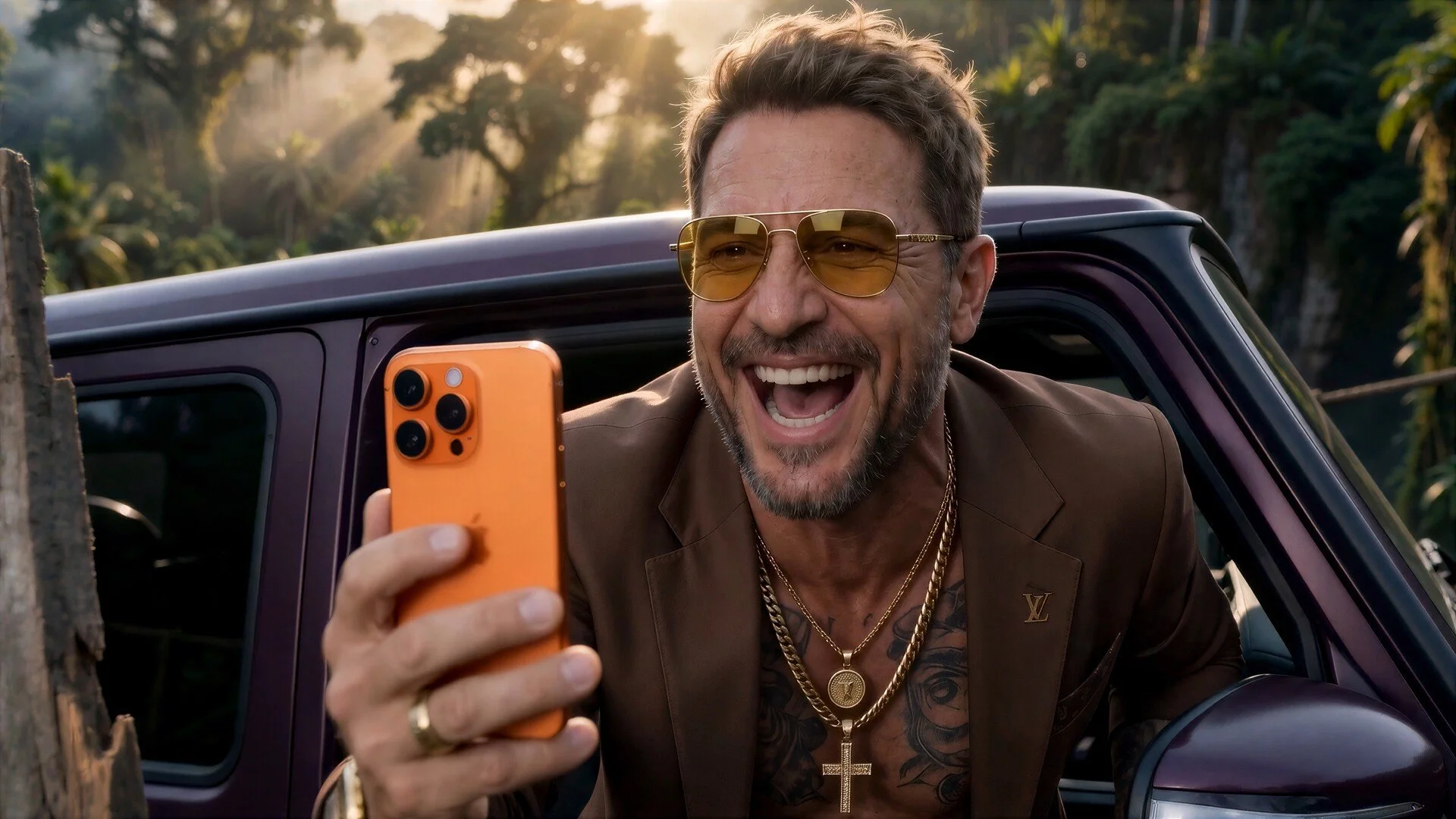
Couriers of Fortune was an adventure-filled one to watch, especially given its narrative. The action-comedy follows two delivery guys whose response to a spam email promising an inheritance in diamonds sends them on a much bigger adventure than expected.
Maybe this one hit a little differently because I live in Los Angeles, where delivery robots have practically become our new neighbors. They’re congregating on sidewalks, crossing intersections and delivering food hour after hour like this is all completely normal now.
So watching a story take the everyday idea of “delivery” and send it completely off the rails felt oddly fitting.
In LA, the robots are currently bringing us lunch. In Couriers of Fortune, let’s just say the delivery gets considerably more adventurous.
Scam City — Kashmira Patil, India
Took Home: Best AI Vertical Series Under 2 Minutes · Best Message · Audience Choice: Best Message · Best Micro-Drama/Series
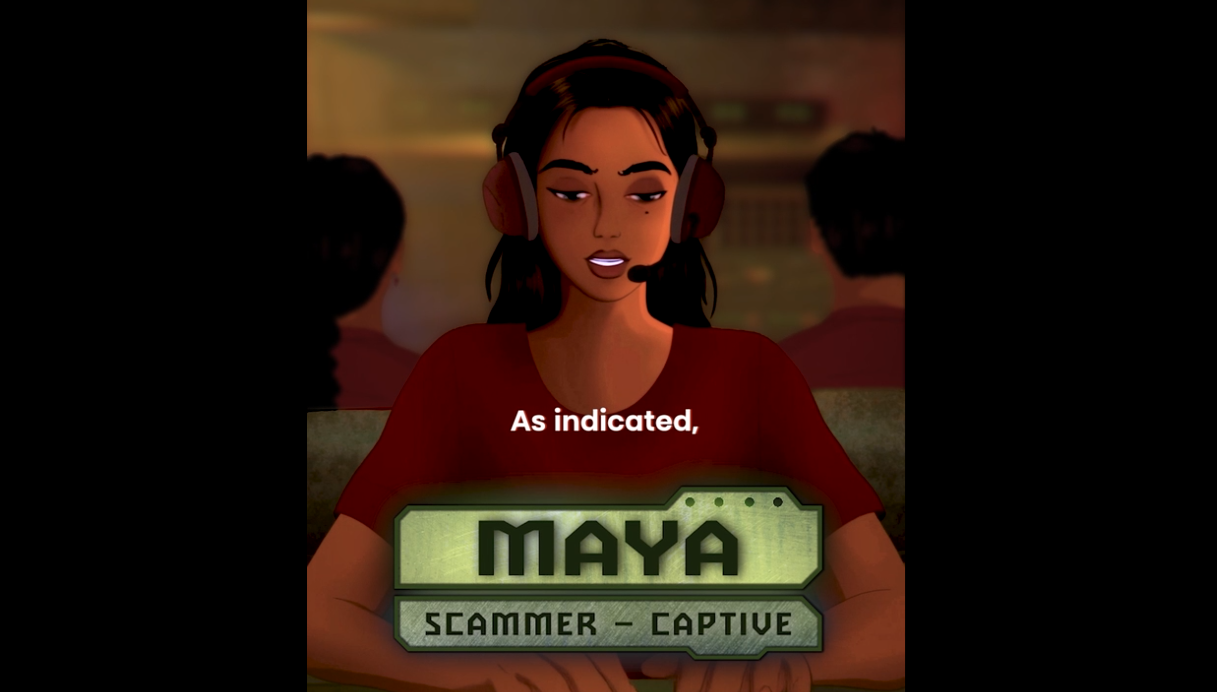
Scam City was another standout—and the backstory makes this one even more interesting.
Created by Civic Studios in partnership with Anti-Slavery International, the project explores the disturbing reality behind scam compounds, where victims of human trafficking can be trapped and forced to scam people on the other end of the phone.
That immediately changes how you look at the familiar “scam call.”
The series asks an uncomfortable question: what if the person trying to scam you is also a victim?
That’s a much bigger story than cyber fraud alone.
This also shed an entirely new light on the subject for me. I had no idea just how gruesome, brutal and dark the world behind some of these scam operations can get.
Living in the U.S., I think our pop-culture education on international scamming sometimes begins and ends with an episode of 90 Day Fiancé—someone sending money overseas, a questionable online romance and everyone at home yelling at the television, Don’t do it! But Scam City pulled back the curtain on something far more sinister.
We hear about scams all the time, but rarely about what may be happening on the other side of the world—or on the other side of that phone call. Behind some of these operations is a shadow industry most of us know very little about, where people can be trafficked, held against their will and forced to scam strangers. In some cases, their own safety—and potentially their lives—may depend on successfully scamming someone else.
Suddenly, the person on the other end isn’t necessarily just the villain in the story. That was eye-opening for me, and it’s exactly what Scam City does well: it takes something we’ve almost become numb to and reveals a much darker human story underneath it.
The team chose a social-first micro-drama format, releasing the story episodically and using AI-assisted animation to help tell a complicated subject in a way that could actually live where people consume short-form content.
I thought that was smart.
At a festival filled with conversations about everything AI might allow creatives to do, Scam City showed how the same tools can be used to make us look a little closer at what’s already happening in the real world.
One Last Stop...
With all three festivals officially wrapped, filmmakers and guests kept the conversations going with more networking, followed by an after-party at Mel’s Diner—a pretty fitting Hollywood ending to the night.
If you’re reading this thinking, Wait, I actually want to see these films, I’ve left a link below where you can explore the films and discover more of the filmmakers featured throughout the three festivals.
WATCH THE FILMS → https://watch.eventive.org/aifilmfest
And if you’re a filmmaker experimenting with AI—or maybe this article just gave you the nudge to finally finish that project sitting on your computer—you can also find information on upcoming festivals and how to submit your work below.
FILMMAKER SUBMISSIONS → https://filmfreeway.com/aiinternationalfilmfestival
So, Where Does AI Filmmaking Go From Here?
After an afternoon of post-apocalyptic worlds, narcissistic fashion directors, psychological surrealism, scam compounds, delivery adventures, life insurance and music videos, the biggest takeaway wasn’t necessarily what AI could generate.
It was seeing how differently each artist chose to use it.
Three festivals, three different formats and plenty of different approaches—but that may have been the most interesting part.
We’re past the point where simply saying something was “made with AI” tells you much about the work.
The tool may be shared.
The vision definitely isn’t.
Explore the festivals.